
In recent months, Nigeria’s Central Bank has implemented a series of policy reforms aimed at ilizing the naira and addressing the nation’s economic challenges. These measures have had a significant impact on the currency’s performance and the broader economic landscape.
In June 2023, the Central Bank of Nigeria (CBN) unified all segments of the foreign exce (FX) market into the Investors & Exporters (I&E) window, effectively floating the naira. This move led to an immediate depreciation of the currency, with the exce rate moving from N471.67/$1 to N664.04/$1. The liberalization aimed to address the widening gap between official and parallel market rates and attract foreign investment. (agorapolicy.org)
In October 2023, the CBN removed foreign exce restrictions on 43 items, including rice, cement, and margarine, which had been in place for nearly nine years. This policy shift was intended to promote local production by making imported inputs more affordable. However, the immediate effect was a further depreciation of the naira, reaching an all-time low of N1,210/$1 in the parallel market. The official I&E window closed at N793.34/$1, highlighting the challenges in managing the currency’s value. (thisdaylive.com)
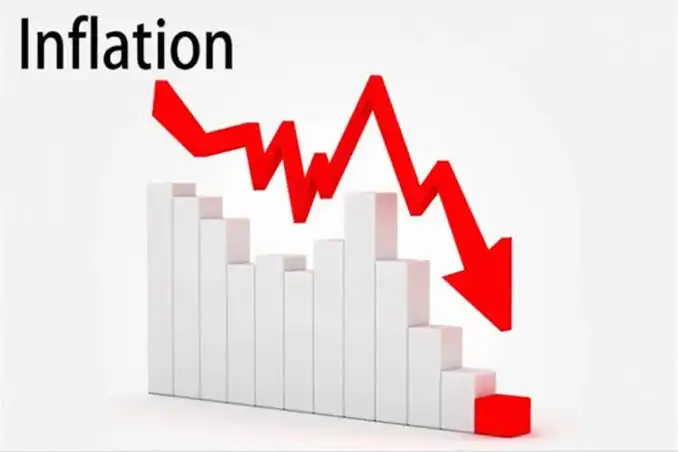
To address inflationary pressures and ilize the currency, the CBN has adopted a more orthodox economic policy. In November 2023, Governor Olayemi Cardoso announced a shift towards inflation targeting, moving away from controlling the money supply. The CBN also raised its key interest rate by 25 basis points to 18.75% in July 2023, with further tightening anticipated. These measures aim to curb inflation, which had accelerated to an 18-year high of 27.3% by November 2023. (bloomberg.com)
The CBN has also taken steps to enhance transparency and liquidity in the FX market. In February 2024, the bank removed the cap on exce rates quoted by international money transfer operators (IMTOs), aiming to liberalize the FX market and boost remittances. Additionally, the CBN injected $360 million into the market through authorized dealers to cushion against a sharper devaluation amid renewed demand pressures. (guardian.ng, punchng.com)
Despite these efforts, the naira has continued to face challenges. In April 2025, the World Bank reported that the naira had depreciated by over 40% in 2024, making it one of the weakest-performing currencies in Africa. The report highlighted that while the CBN’s policy efforts aimed at a unified and market-determined exce rate, the naira’s value remained under pressure due to persistent economic challenges. (premiumtimesng.com)
In summary, the CBN’s policy ces have been pivotal in shaping the naira’s trajectory. While these reforms have aimed to ilize the currency and address economic distortions, the naira continues to face significant challenges, reflecting the complexities of managing a national currency amid global economic uncertainties.











Do you think the Central Banks policy ces are really benefiting the Naira, or are they causing more harm than good? Lets discuss!
I believe the Central Bank should focus on ilizing the Naira rather than constantly cing policies. Consistency is key!
Interesting read, but do you think the Central Banks policies are really helping the Naira? Im not so sure.
Im not convinced that the central bank policy ces are really helping the Naira. Anyone else feeling skeptical about this?