
Public backlash is intensifying across Canada as citizens express concern over border management and foreign policy decisions influenced by developments in the United States. Demonstrations and public discourse have highlighted frustration among communities who feel economic and political pressures are increasingly shaped by cross border dynamics affecting national priorities and long term planning.
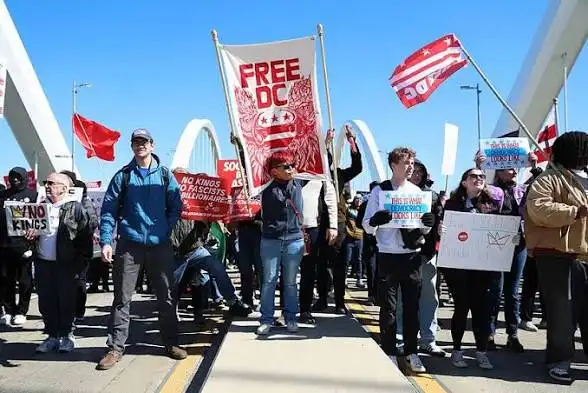
In major cities such as Toronto and Vancouver, protesters gathered to call for clearer policies and stronger domestic focus. Participants raised concerns about immigration processes, trade relationships, and the broader influence of international conflicts on national decision making. Local authorities maintained a visible presence to ensure demonstrations remained orderly while respecting rights to peaceful assembly.
Political commentators say the backlash reflects deeper concerns about sovereignty and the balance between cooperation and independence in shaping national strategies. Some citizens argue that alignment with external policies has led to unintended economic consequences, while others emphasize the importance of maintaining strong partnerships with allies in a complex global environment that requires coordinated responses to shared challenges.
Economic issues have also fueled dissatisfaction, with rising costs of living and housing affordability cited as major concerns among protesters. Many participants linked these challenges to broader geopolitical developments, suggesting that external pressures are contributing to domestic strain. Analysts note that such perceptions can influence public trust in leadership and shape expectations for future policy adjustments.
Government officials have acknowledged the concerns raised by citizens, emphasizing ongoing efforts to manage border operations and maintain economic ility. Some leaders have called for constructive dialogue, highlighting the importance of balancing national interests with international cooperation. Officials also stressed that policy decisions are made with long term security and prosperity in mind despite current pressures.
Across provinces, public opinion appears divided, with some supporting current approaches while others demand significant reforms. Experts suggest that regional differences play a role in shaping perspectives, as economic conditions and demographic factors vary widely. This diversity of views has contributed to a complex national conversation about the country’s direction and its relationship with global partners.
As discussions continue, observers are watching how the government responds to mounting public pressure and whether policy shifts will follow. The evolving situation underscores the challenges faced by nations navigating interconnected economic and political landscapes. The outcome may influence not only domestic governance but also Canada’s role in broader international relations moving forward.











Leave a comment