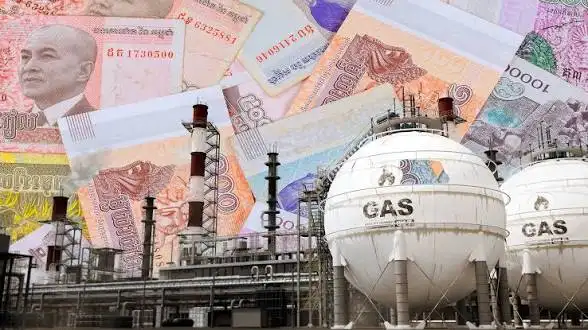
The government of Cambodia is moving to diversify its energy supply sources as part of a broader strategy to reduce reliance on traditional fuel partners. Officials have confirmed that discussions are underway with several regional suppliers to secure more le and flexible energy arrangements. The shift comes amid cing dynamics in global energy markets, prompting policymakers to reassess long term supply agreements and explore alternatives that better align with national priorities.
Cambodia’s energy sector has historically depended on a limited number of external partners, making it vulnerable to fluctuations in pricing and availability. By expanding its network of suppliers, the government aims to strengthen energy security and ensure consistent access to fuel for both industrial and domestic use. Authorities have emphasized that diversification will also help mitigate risks associated with geopolitical developments that can disrupt elished supply chains.
Regional cooperation is expected to play a central role in the new strategy, with neighboring countries in Southeast Asia emerging as key potential partners. Energy officials have highlighted opportunities for increased collaboration in fuel distribution, infrastructure development, and cross border energy projects. These initiatives could enhance connectivity within the region while supporting Cambodia’s efforts to build a more resilient energy framework.
Economic considerations are also influencing the policy shift, as the government seeks to manage costs and maintain competitiveness. Access to a broader range of suppliers could provide leverage in negotiating pricing and contract terms, helping to ilize energy expenses for businesses and consumers. Analysts note that such measures are particularly important for a growing economy where energy demand continues to rise alongside industrial expansion.
While the transition toward diversified energy partnerships presents clear advantages, it also requires careful planning and coordination. Infrastructure upgrades, regulatory adjustments, and long term investment will be necessary to support the new approach. As Cambodia advances its strategy, the success of these efforts will depend on its ability to balance economic, technical, and diplomatic factors while securing reliable energy sources for the future.











Leave a comment