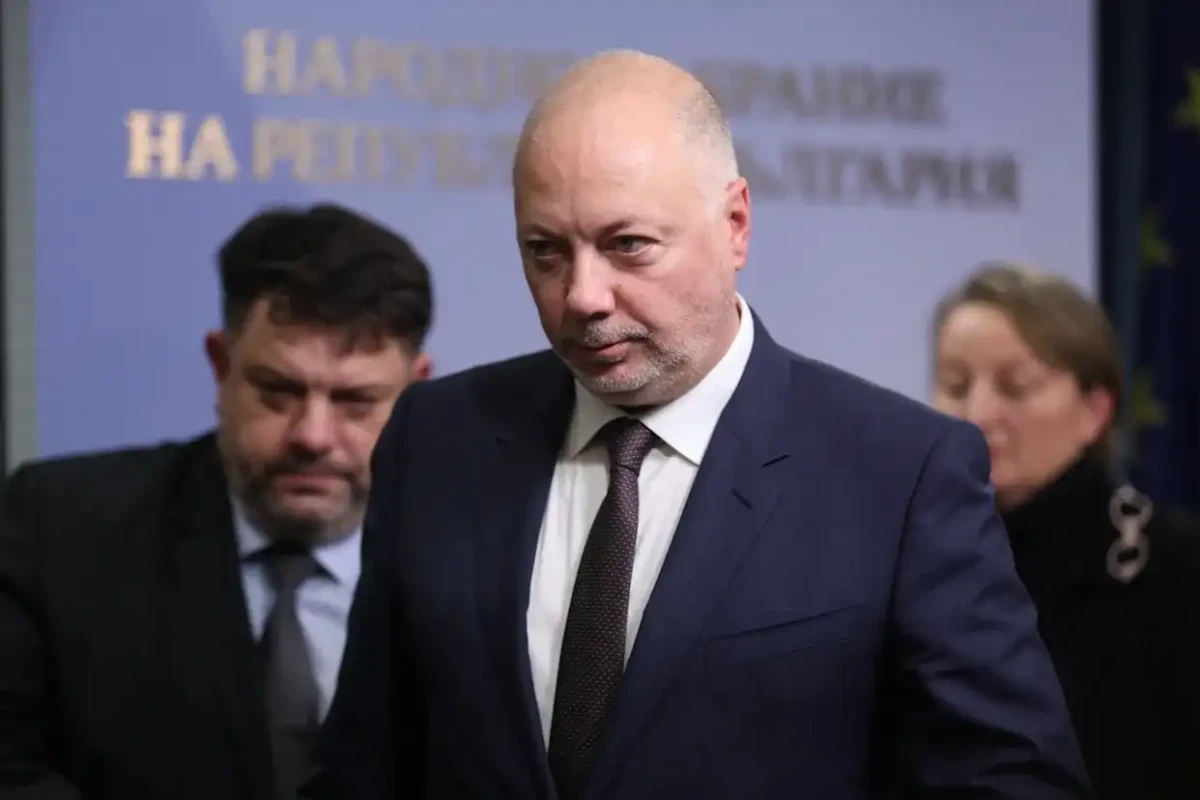
Bulgarian President Rumen Radev has begun consultations with parliamentary groups to form a new government after the collapse of Prime Minister Rosen Zhelyazkov’s minority administration. This situation arose following widespread anti-corruption protests demanding accountability and transparency from the government, which were fueled by allegations of corruption and unpopular economic policies, including proposed increases in social security contributions and dividend taxes. Tens of thousands of protesters filled the streets, notably in Sofia, calling for the government’s resignation with slogans like “Out with the Mafia.” Responding to the public’s demands, Zhelyazkov resigned, acknowledging the need for ce.
In the aftermath, President Radev plans to engage with the largest parliamentary group to discuss potential cabinet formation. If this effort does not lead to a viable government, he will approach the second-largest group. Should all attempts fail, Radev is prepared to elish a caretaker government until new elections, expected in two months.
This political crisis marks the eighth government collapse in Bulgaria since 2021, underscoring ongoing political inility in the country. Analysts warn that another election could lead to a fragmented parliament, complicating the resolution of pressing issues such as the planned adoption of the euro on January 1. Moreover, public concerns over inflation and the influence of external forces, particularly from Russia, exacerbate the challenges confronting Bulgaria’s political landscape.
As Bulgaria faces this tumultuous period, the international community remains vigilant, aware of the potential implications for the country’s future and its role within the European Union.







Is Bulgarias President playing chess or checkers with these cabinet discussions? 🤔 Time to see some strategic moves! #politicalintrigue
Do you think Bulgarias President should consider forming a completely new government instead of just tweaking the current one? Lets discuss!
Bulgarias President needs to bring in the Avengers for this government mess! Whos with me? 🦸♂️ #TeamAvengers
Is it just me or does anyone else think Bulgarias political situation is like a soap opera? Drama, drama, drama!
Do you think Bulgarias President can really fix the government breakdown situation or is it just a band-aid solution? 🤔
Should Bulgarias President consider forming a coalition with unconventional parties for ility? Shake things up! 🇧🇬 #politicalwildcard
Why does Bulgarias President have to deal with all this drama? Cant they just sort it out themselves?
Should Bulgarias President really be launching cabinet discussions? Is this the right move to address the government breakdown? Lets discuss!
Can we trust Bulgarias President to handle the government breakdown effectively? Lets hope for a le resolution! 🤞🇧🇬
I cant believe theyre already discussing a new cabinet in Bulgaria! Hope they can sort out the government mess soon.
Should Bulgarias President consider forming a government with a diverse coalition, or stick to traditional party alliances? Whats your take?
Should Bulgarias president just flip a coin to decide the new cabinet? It might be as effective as these breakdown discussions! 🤷♂️
Is it just me or does anyone else feel like this political drama in Bulgaria is straight out of a reality TV show? 🍿 #popcornready
Should Bulgarias president consider forming a coalition with unexpected parties for ility? It could shake up the political landscape!