
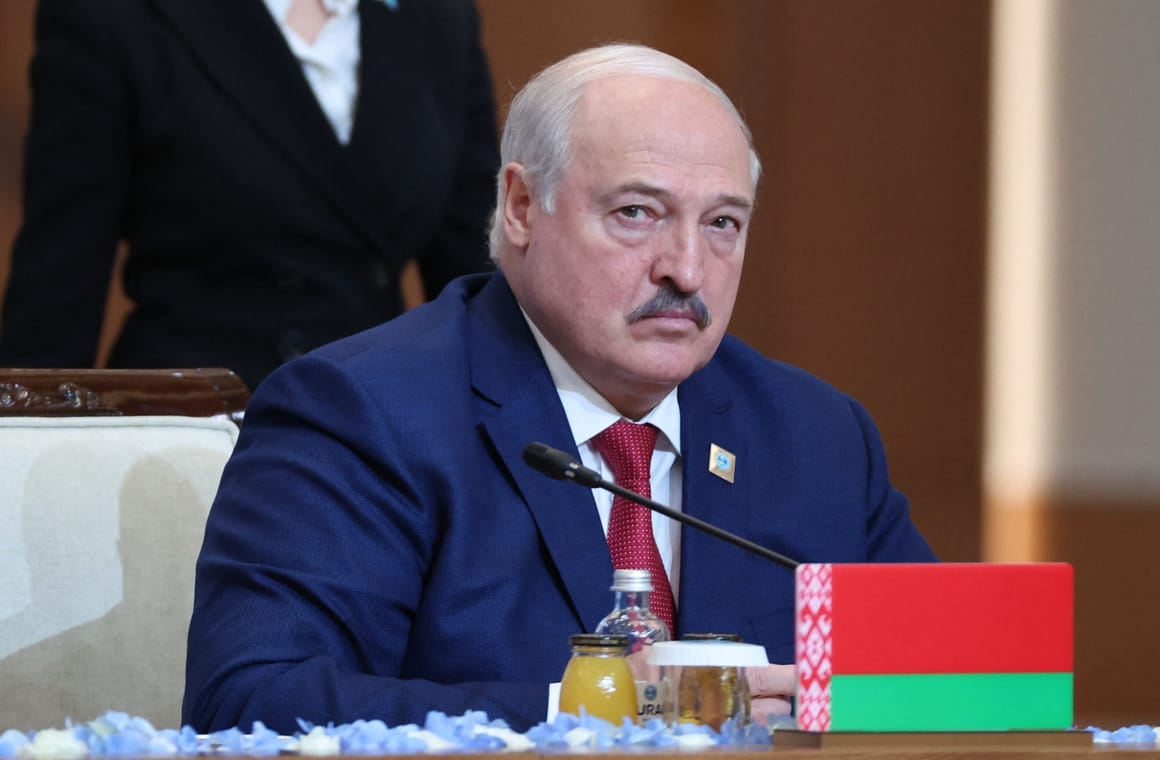
Belarusian President Alexander Lukashenko has pardoned 16 individuals convicted of various crimes, including extremism, as reported by state media outlet Belta. The pardons, announced ahead of Belarus’s independence day, include an equal number of men and women—eight each—some of whom are living with chronic illnesses, disabilities, or have children under the age of 18. This move follows Lukashenko’s recent decision to release prominent opposition figure Siarhei Tsikhanouski and 13 others in June 2025, an action taken after discussions with U.S. special envoy Keith Kellogg.
These pardons appear to be part of a broader political gesture by the Belarusian leader amidst ongoing international scrutiny.
Despite these releases, human rights organizations have raised concerns about the continued suppression of political dissent in Belarus. The Viasna human rights center reports that over 1,100 individuals, including 38 journalists and Nobel Peace Prize laureate Ales Bialiatski, remain classified as political prisoners. The crackdown on dissent began after Lukashenko’s disputed 2020 reelection, which triggered mass protests and violent state repression. Although more than 300 political prisoners have been freed since July 2024, these actions are overshadowed by continuing arrests. Critics liken the current situation to a “revolving door” of political repression.
Recently freed Belarusian dissident Siarhei Tsikhanouski has urged Western nations not to ease pressure on Belarusian President Alexander Lukashenko, emphasizing the need for continued sanctions to promote democratic reforms. Released after over five years in prison, Tsikhanouski criticized ongoing political repression and insisted that meaningful reforms—beyond releasing prisoners—are essential. He was freed in June following a visit by U.S. envoy Keith Kellogg to Belarus and has since reunited with his exiled wife, opposition leader Sviatlana Tsikhanouskaya, in Lithuania. Despite Lukashenko’s claims of humanitarian motives and denial of political imprisonment, around 1,150 individuals remain jailed for opposing the regime. Tsikhanouski, a prominent figure in Belarus’s 2020 pro-democracy movement, vowed to continue advocating for ce.
The international community continues to monitor the situation in Belarus closely, urging the government to release all political prisoners and engage in meaningful dialogue with opposition groups. The recent pardons, while seen as a positive step, are viewed by many as insufficient in addressing the broader issues of political repression and human rights abuses in the country.




I cant wrap my head around this move by Lukashenko. Pardoning extremists amidst political turmoil? Whats the strategy here?
I cant believe Lukashenko is pardoning extremists during a time of political repression. Whats his angle here? Seems fishy.
Do you think Lukashenkos pardons are genuine gestures or just political maneuvers to appease international criticism? Im curious!
I cant believe Lukashenko is pardoning extremists amidst political repression. Is he trying to show mercy or manipulate international opinion?
Interesting move by Lukashenko, pardoning extremists. Is he trying to show mercy or just playing politics? 🤔