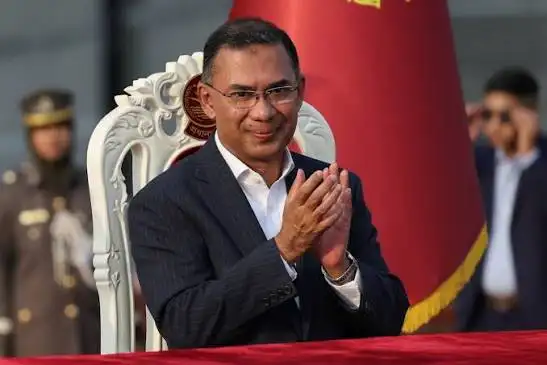
A new administration has formally taken shape in Bangladesh following the swearing in of Tarique Rahman as Prime Minister after a commanding electoral victory that reshaped the country’s political landscape. The ceremony in Dhaka was marked by symbolism, security, and a strong emphasis on national renewal.
Held at the presidential complex, the oath taking event drew lawmakers, senior civil servants, members of the armed forces, diplomats, and representatives from across society. Rahman pledged to uphold the constitution, strengthen democratic institutions, and govern in the interest of all citizens, including those who did not support his party at the polls.
The scale of the election win has given the new Prime Minister a robust parliamentary mandate. Political analysts describe the outcome as a decisive endorsement of his campaign message, which centered on economic modernization, administrative reform, and expanded employment opportunities for Bangladesh’s youthful population. Voter turnout was reported to be substantial, underscoring strong public engagement despite political tensions during the campaign period.
In his inaugural address, Rahman acknowledged the economic pressures facing households, including rising living costs and energy constraints. He outlined an agenda focused on ilizing prices, expanding infrastructure projects, and boosting industrial productivity. Bangladesh’s export driven economy, particularly its garment manufacturing sector, remains a cornerstone of national growth, but policymakers are under pressure to diversify and strengthen resilience.
The Prime Minister also signaled an intent to pursue measured foreign policy engagement. Bangladesh occupies a strategic position in South Asia, maintaining relationships with major regional and global powers. Rahman stated that his government would prioritize balanced diplomacy, regional cooperation, and expanded trade partnerships while safeguarding sovereignty.
Opposition figures have urged the new administration to ensure political inclusivity and protect civil liberties. Several civic organizations called for transparent governance and institutional accountability as key indicators of the government’s commitment to democratic norms.
Economic observers note that Bangladesh faces both opportunity and vulnerability. Continued urbanization, a growing middle class, and digital expansion provide avenues for development. At the same time, climate related risks and global market fluctuations present ongoing challenges that require careful policy management.
As cabinet appointments are finalized and legislative priorities set, attention will shift from campaign rhetoric to implementation. For millions of Bangladeshis, the transition represents a moment of expectation, with hopes that the new leadership will deliver ility, growth, and strengthened institutions in a rapidly evolving regional environment.













Leave a comment