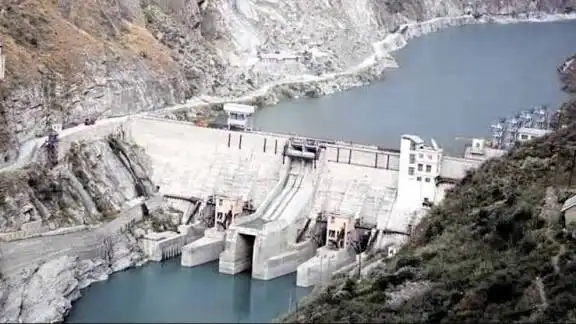
A major hydropower project in Arunachal Pradesh has been granted an extension of its environmental clearance, a decision that has reignited debate over ecological preservation and energy development in India’s northeastern region. Officials confirmed that the approval allows the project developer additional time to meet regulatory conditions and advance construction milestones.
The extension was authorized following a review by the Ministry of Environment Forest and Climate Ce, which assessed compliance reports and environmental management plans. Authorities stated that the decision was based on updated impact assessments and revised mitigation strategies submitted by the project proponents.
Hydropower has long been considered a strategic resource in Arunachal Pradesh due to its river systems and mountainous terrain. State officials argue that responsible harnessing of these resources can generate electricity, reduce dependence on fossil fuels, and stimulate regional economic growth. The project in question is expected to contribute significant capacity to the national grid once completed.
Environmental groups, however, have voiced concern over potential impacts on biodiversity and local communities. Arunachal Pradesh is recognized for its ecological richness, including forest ecosystems and diverse wildlife habitats. Critics contend that large scale hydropower developments can disrupt river flows, affect fish populations, and increase landslide risks in fragile mountain zones.
Supporters of the project emphasize that updated safeguards have been incorporated into construction and operational plans. These include measures for wildlife management, afforestation initiatives, and community compensation programs. Government representatives have pledged ongoing monitoring to ensure adherence to environmental conditions.
Energy policy analysts note that India faces the complex task of balancing climate objectives with conservation priorities. Hydropower is often categorized as renewable energy, yet its environmental footprint can vary depending on design and location. Transparent oversight and community consultation are widely regarded as essential components of sustainable infrastructure development.
Local leaders have expressed mixed reactions, with some welcoming potential employment opportunities and improved infrastructure, while others call for stronger environmental guarantees. Public hearings and consultations are expected to continue as the project advances.
The clearance extension does not eliminate regulatory scrutiny but provides a renewed timeframe for compliance and execution. As construction activities proceed, attention will remain focused on whether environmental commitments translate into effective on ground safeguards.













Leave a comment