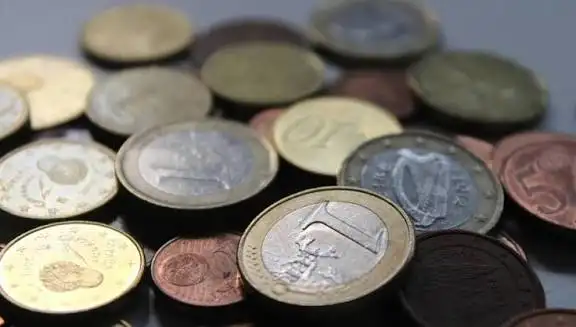
Argentina financial markets experienced renewed turbulence as currency volatility intensified on January 30 2026, raising concerns among investors and policymakers. Analysts reported sharp fluctuations in the peso following mixed signals from the government regarding fiscal discipline and monetary direction. The uncertainty has added pressure to an economy already grappling with high inflation and limited foreign reserves.
Traders noted that inconsistent policy communication has contributed to capital outflows and reduced confidence in near term ility. The central bank intervened intermittently to ilize the currency but avoided committing to a long term strategy, citing the need to preserve reserves. Businesses dependent on imports reported rising costs, while exporters struggled to plan amid unpredictable exce rates.
Economists warned that sustained volatility could undermine efforts to restore growth and negotiate future financial support. Household purchasing power continues to weaken as price increases accelerate in response to currency movements. On January 30 2026 government officials reiterated their commitment to reforms but acknowledged that market confidence remains fragile. Observers said restoring credibility will require clearer policy coordination and sustained political consensus in the months ahead.








I believe Argentinas economy needs structural reforms to address currency volatility. Do you think its time for a ce in their economic policies?
Is Argentinas currency volatility a sign of deeper economic issues or just a temporary hiccup? What do you think?
Isnt it crazy how currency fluctuations in Argentina can impact global markets? Its like a financial rollercoaster ride! 🎢
Hey, do you think Argentinas currency volatility is a sign of deeper economic issues or just a temporary hiccup? Curious to hear your thoughts!
I think Argentinas currency volatility reflects deeper economic issues. Do you believe the government can ilize the situation?
Does anyone else think Argentinas currency volatility is just a symptom of deeper economic issues? Its like peeling an onion! 🧅🇦🇷 #MarketUncertainty
I wonder if this currency volatility in Argentina will have a ripple effect on other markets. Anyone else thinking the same?
Is Argentinas currency volatility a sign of economic inility or a necessary adjustment? Share your thoughts!
I dont get why Argentinas currency is always so shaky. Cant they figure it out already? Its like a rollercoaster ride!
I wonder if Argentinas currency inility will impact neighboring economies. The domino effect is real, folks! 🤔💸 #EconomicRippleEffect
I think Argentina needs to address its currency volatility issue ASAP to restore market confidence. ility is key for economic growth.
I believe Argentina should consider implementing stricter financial policies to ilize their currency and boost investor confidence. Thoughts?
I cant believe how the Argentina currency is always so unle! Do you think its just a cycle or a deeper issue?
Is it time for Argentina to consider adopting a more le currency system to avoid future market uncertainties?
Im not convinced that Argentinas currency volatility is solely to blame for market uncertainty. Could there be other underlying factors at play here? 🤔
I wonder if Argentinas currency volatility is a sign of deeper economic issues or just a temporary hiccup. What do you guys think?