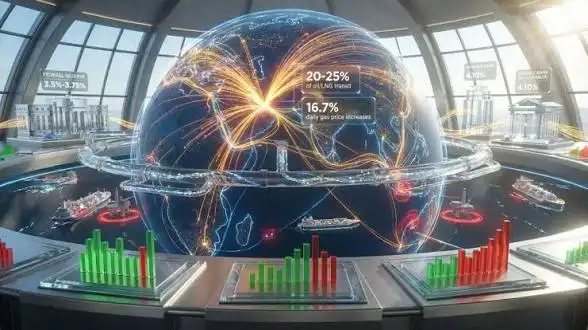
Economic analysts are warning that the global economy could face significant ripple effects as the Middle East conflict shows signs of prolongation. Experts highlight that interconnected markets are increasingly sensitive to disruptions in energy supply, trade routes, and investor confidence, raising concerns that the situation could evolve into a broader economic challenge affecting both developed and emerging economies worldwide.
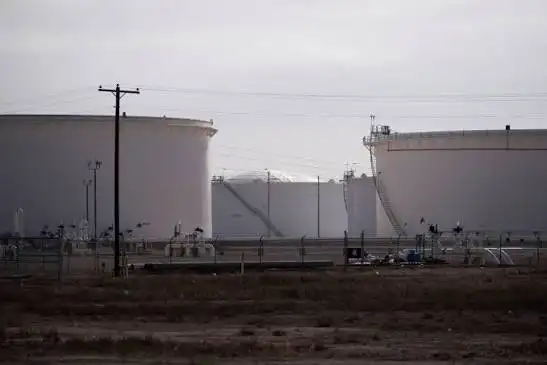
One of the most immediate concerns centers on energy markets, where supply uncertainties continue to influence pricing and availability. Disruptions linked to key transit routes such as the Strait of Hormuz have amplified fears of sustained shortages. Analysts note that higher energy costs tend to cascade through industries, increasing production expenses and ultimately affecting consumer prices across multiple sectors.
Financial markets have reacted with caution, as volatility becomes more pronounced in response to ongoing geopolitical developments. Investors are reassessing risk exposure, leading to shifts in capital flows and asset valuations. Economists suggest that prolonged uncertainty could dampen investment activity, slow economic expansion, and create additional challenges for policymakers attempting to maintain steady growth in a fragile global environment.
Trade flows are also under pressure, with shipping routes facing delays, increased costs, and logistical complications. Businesses reliant on global supply chains are encountering difficulties in securing timely deliveries and managing operational expenses. These disruptions can contribute to reduced efficiency and profitability, particularly for industries dependent on just in time production models and consistent access to raw materials.
Central banks and international institutions, including the International Monetary Fund, are closely monitoring developments as they assess potential policy responses. Measures such as interest rate adjustments, liquidity support, and fiscal interventions may be considered to mitigate economic stress. However, experts caution that policy tools may have limited effectiveness if underlying geopolitical tensions persist.
Emerging economies are viewed as particularly vulnerable to the evolving situation, given their reliance on energy imports and exposure to external financial conditions. Currency pressures, inflation, and capital outflows could intensify if the conflict continues. Analysts emphasize the importance of resilience strategies, including diversification and fiscal discipline, to navigate the uncertain economic landscape.
While the full extent of the impact remains uncertain, analysts agree that a prolonged conflict could reshape global economic dynamics. The interplay between energy markets, financial systems, and geopolitical developments will be critical in determining outcomes. Continued monitoring and coordinated international responses are expected to play a key role in managing potential risks in the months ahead.









Leave a comment