
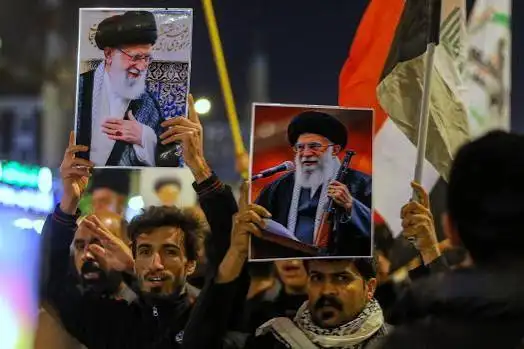
International analysts and foreign policy experts are warning that the widening conflict involving Iran could significantly reshape global alliances and alter geopolitical relationships across multiple regions. As tensions escalate between Iran, Israel, and the United States, governments around the world are being forced to reconsider their diplomatic positions, military partnerships, and strategic priorities. The growing crisis is increasingly viewed not only as a regional confrontation but also as a potential turning point in global power dynamics.
Strategic experts say the conflict is pushing countries to clarify where they stand in an increasingly polarized international environment. Long standing alliances are being tested as governments weigh security commitments, economic interests, and domestic political pressures. Some nations are strengthening ties with existing partners, while others are attempting to maintain neutrality to avoid being drawn into a broader confrontation. This delicate balancing act reflects the complexity of modern international relations in an era of shifting global power.
One of the most significant concerns among analysts is the potential for the conflict to deepen divisions between major global powers. The United States and several of its allies have expressed strong support for Israel and have criticized Iran’s role in regional inility. At the same time, other influential countries have called for restraint and diplomatic engagement rather than expanded military action. These differing positions could reinforce geopolitical blocs that are already emerging due to broader strategic rivalries.
The crisis also has implications for security partnerships across the Middle East and beyond. Regional governments are reassessing their defense strategies as the possibility of wider military escalation becomes more realistic. Some states are strengthening cooperation with allies for protection against potential threats, while others are attempting to avoid direct involvement in the confrontation. The choices made by these governments could influence regional security arrangements for years to come.
Economic considerations are another major factor shaping international responses. The Middle East plays a central role in global energy markets, and any disruption to oil supply routes could have widespread consequences for national economies. Countries that rely heavily on energy imports are closely monitoring developments while evaluating how their diplomatic positions might affect access to vital resources. This economic dimension adds another layer of complexity to the evolving geopolitical landscape.
Analysts also warn that the conflict could accelerate broader shifts already underway in global politics. Over the past decade, rising competition among major powers has gradually transformed international alliances and cooperation. The current crisis may push some nations to strengthen security partnerships, increase military spending, or pursue new diplomatic alignments to protect their interests in an uncertain world.
While the future trajectory of the conflict remains uncertain, experts agree that its political impact could extend far beyond the immediate region. The decisions made by governments in response to the crisis may influence global alliances, security strategies, and diplomatic relationships for years to come. As the situation continues to develop, the international community faces growing pressure to manage the crisis while preventing deeper divisions across the global political system.



Leave a comment