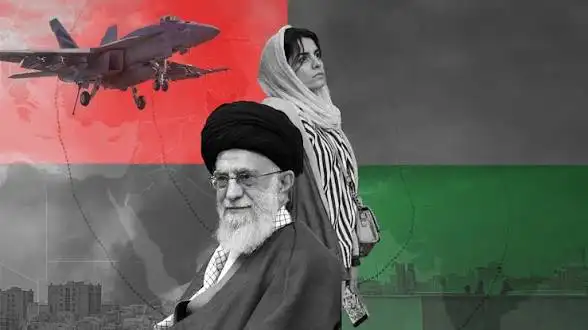
Political analysts around the world are examining how the ongoing war in the Middle East could reshape long standing international alliances and alter the balance of global power. The conflict has already drawn the attention of major governments, international organizations, and regional actors, creating a complex diplomatic environment in which strategic relationships are being reassessed. Experts say the scale of the confrontation and the involvement of multiple global powers could influence foreign policy decisions for years to come.
Several governments are reviewing their diplomatic priorities as the crisis continues to evolve. Countries that have historically maintained balanced relationships with competing powers are now facing increasing pressure to clarify their positions. Analysts believe this could lead to the formation of new partnerships while weakening or reshaping existing alliances. In particular, governments across the Middle East, Europe, and Asia are evaluating how their security commitments and economic partnerships may need to adapt to shifting geopolitical realities.
Energy security remains one of the most important factors influencing these strategic calculations. Many countries depend on oil and gas supplies that originate from or pass through the Middle East, making ility in the region a vital concern for national economies. As a result, energy importing nations are exploring c relationships with both producers and security partners that can help safeguard supply routes. This dynamic could encourage deeper cooperation between countries that previously maintained only limited engagement with each other.
Diplomatic observers also note that international organizations are likely to play an increasingly important role as governments seek ways to prevent further escalation. Global forums provide platforms where leaders can coordinate responses, discuss humanitarian concerns, and promote negotiations aimed at reducing tensions. While the effectiveness of such institutions often depends on the political will of member states, they remain central to efforts to manage crises that involve multiple regions and competing interests.
The evolving situation is prompting scholars and policy advisers to consider the longer term implications for global diplomacy. Some believe the conflict may accelerate a broader transition toward a more complex international system in which power is distributed among several influential blocs. Others argue that existing alliances will endure but may be strengthened through renewed cooperation. In either case, analysts agree that the decisions made during this period will shape the structure of global relationships well beyond the immediate crisis.








Leave a comment