
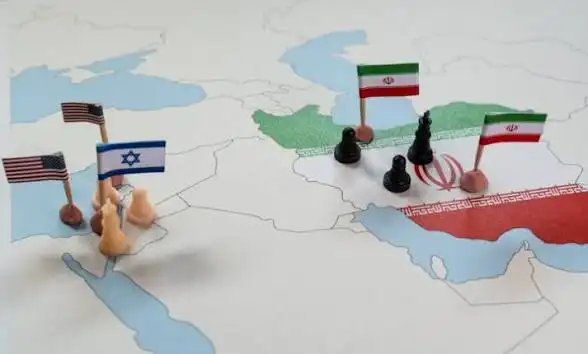
Several partner nations have opted not to join a maritime security coalition proposed by the United States to increase naval presence in the Persian Gulf. The initiative was introduced as part of a broader effort to safeguard commercial shipping routes amid rising regional tension, yet responses from key allies have been cautious. Diplomatic sources say governments are weighing operational commitments, legal frameworks, and domestic considerations before expanding their military roles.
Officials familiar with the consultations indicate that some countries prefer alternative forms of cooperation rather than direct fleet participation. Options under discussion include intelligence sharing, logistics coordination, and support through existing multinational maritime frameworks. Defense planners note that naval deployments require significant resources and long term planning, particularly in strategically sensitive waterways that handle a large share of global energy transport.
The proposed coalition centers on securing transit corridors linked to the Strait of Hormuz, a narrow passage that connects major producers to international markets. Shipping associations and energy analysts frequently describe the corridor as one of the most commercially vital sea lanes in the world. Any increase in military activity there carries implications for maritime insurance, freight scheduling, and broader trade confidence, prompting careful review by governments and industry stakeholders alike.
Within the United States, defense officials maintain that multinational participation enhances operational effectiveness and burden sharing. Statements from security agencies emphasize that coordinated patrols and surveillance can deter disruptions while reassuring commercial operators. At the same time, allied governments are signaling that diplomatic channels and de escalation efforts remain priorities alongside maritime protection strategies.
International relations specialists observe that coalition building often reflects broader geopolitical alignment rather than immediate tactical needs alone. Decisions on participation can hinge on regional partnerships, legislative approvals, and assessments of mission scope. As consultations continue, policymakers are balancing strategic interests with risk management and public sentiment. The evolving discussions highlight the complexity of organizing collective security measures in regions where commerce, diplomacy, and defense priorities intersect.











Leave a comment