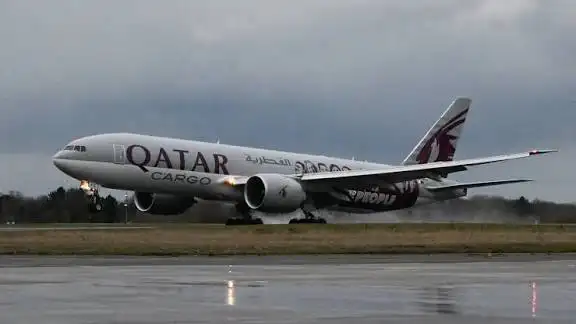
Airlines and global logistics companies are rapidly adjusting their operations as escalating conflict in the Middle East forces carriers to reroute flights and shipping lanes away from areas considered unsafe for commercial travel and trade. Aviation authorities, cargo operators, and international shipping firms have begun implementing precautionary measures designed to protect passengers, crews, and valuable cargo as security risks grow across parts of the region.
Commercial aviation has been among the most immediately affected sectors. Several airlines have announced the suspension or diversion of flights that would normally pass through airspace near the conflict zone. Aircraft are now taking longer alternative routes to avoid potential threats such as missile activity, military operations, or sudden airspace closures. These adjustments are intended to maintain safety standards, though they often result in extended flight times and higher fuel consumption.
Industry officials say that airlines rely heavily on real time intelligence and guidance from international aviation authorities when making these decisions. Air traffic control agencies, defense monitoring systems, and global aviation organizations continuously share updates about potential risks in the skies. Based on these assessments, airlines may quickly ce flight paths, cancel certain services, or temporarily halt operations to specific destinations until conditions ilize.
The logistical challenges extend beyond passenger flights. Cargo carriers responsible for transporting critical goods across international markets are also modifying their routes. Many global supply chains depend on air freight for the rapid delivery of electronics, pharmaceuticals, industrial components, and other high value products. When airlines divert flights around conflict zones, transit times can increase and scheduling complexity grows.
Shipping companies operating in regional waters are facing similar decisions. Maritime routes that pass near areas of military activity are being carefully reassessed by shipping operators concerned about the safety of vessels and crews. Some companies have opted to send ships on longer but safer routes while closely monitoring updates from maritime security agencies and naval patrol forces operating in strategic waterways.
These operational ces carry economic consequences for transportation companies and global supply networks. Longer routes increase fuel costs, crew hours, and logistical planning requirements. Airlines may also experience reduced passenger demand if travelers grow hesitant about visiting destinations perceived as unle. For cargo carriers, delays in shipments can ripple through manufacturing and retail supply chains worldwide.
Despite the disruption, aviation and logistics companies emphasize that safety remains the top priority. Industry leaders say that modern monitoring technology and international coordination allow them to respond quickly to emerging threats while maintaining as much continuity as possible in global transportation networks.
Experts note that the situation highlights the vulnerability of global commerce to geopolitical inility. Air travel and maritime trade are deeply interconnected with international economic activity, and any conflict that threatens major transportation corridors can create ripple effects far beyond the immediate region.
As long as tensions remain elevated, airlines and shipping firms are expected to continue monitoring the security environment closely. Adjustments to routes and schedules may evolve rapidly as companies seek to balance safety considerations with the need to maintain the steady movement of people and goods across the global economy.













Leave a comment