
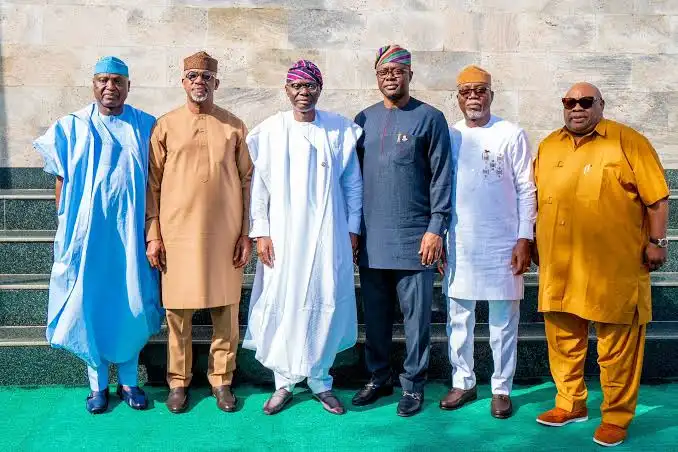
The growing calls by Muslim groups in Nigeria’s Southwest for greater political representation have ignited fresh debate over inclusivity, fairness, and the future of the region’s democratic balance.
Advocates of the movement argue that Muslims in the region have been consistently sidelined in political leadership, pointing to the absence of Muslim governors across Southwest states. They claim this trend reflects a deeper imbalance that has affected appointments, policymaking, and access to opportunities within government structures.
The Muslim Rights Concern has been vocal in highlighting these concerns, insisting that Muslims form a significant portion of the population in the region and should not be excluded from leadership positions. The group maintains that political equity is essential for maintaining peace and mutual respect among diverse communities.
Supporters of the agitation emphasize that their demand is not about division but about fairness and equal participation. They argue that democracy thrives when all groups feel represented and included in governance. According to them, the continued dominance of one religious group in key political offices risks deepening dissatisfaction and eroding trust in the system.
However, the issue remains complex. Critics warn that framing political representation strictly along religious lines could heighten tensions in an already diverse region. They argue that competence, merit, and broader public interest should remain central to electoral decisions, rather than identity alone.
Nigeria’s political landscape has long been shaped by a delicate balance of religion, ethnicity, and regional interests. Observers note that while concerns about marginalisation should be addressed, they must be handled carefully to avoid inflaming divisions.
As the 2027 general elections approach, political parties are likely to face increasing pressure to demonstrate inclusivity in their candidate selection processes. Analysts suggest that parties that successfully balance representation with competence may have an advantage at the polls.
Ultimately, the debate underscores a broader national conversation about equity, identity, and democratic participation. Whether the agitation leads to meaningful ce or deeper polarization will depend on how stakeholders—political leaders, civil society, and voters—choose to engage with the issue in the coming months.






Leave a comment