
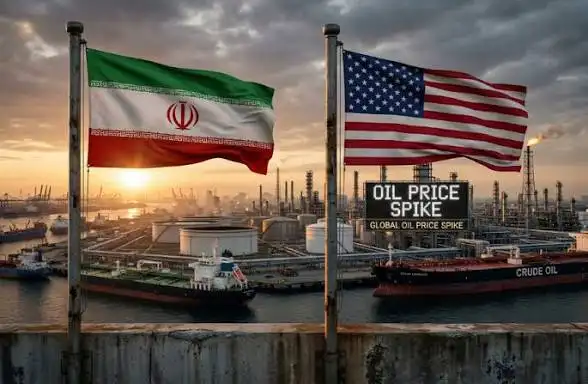
Governments across the world are debating emergency policy measures aimed at protecting energy supply as tensions in the Middle East continue to influence global markets. The conflict has raised concerns about the security of major oil shipping routes and the ility of production facilities in one of the most important energy producing regions. Policymakers are now assessing a range of economic and strategic responses designed to reduce market disruption and protect domestic economies from potential fuel shortages or price surges.
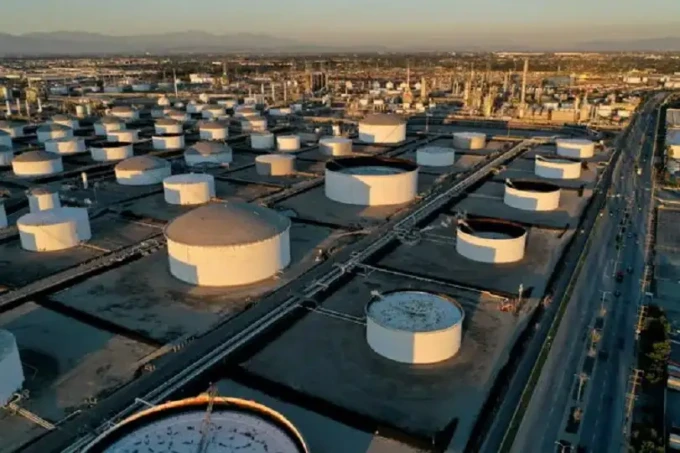
One of the most widely discussed options involves coordinated releases from national strategic petroleum reserves. Energy ministers in several countries have held consultations about the possibility of releasing stored crude oil in order to ilize global supply. Officials say such reserves exist specifically to address major disruptions in supply chains and could provide temporary relief if market conditions deteriorate further. Energy authorities are also considering temporary regulatory adjustments that could encourage additional production or ease the transportation of fuel supplies.
Economic officials are simultaneously examining broader policy responses to shield households and industries from rising energy costs. Several governments are discussing temporary subsis, tax adjustments, and targeted financial assistance for sectors that rely heavily on fuel. Transportation, manufacturing, and agriculture are among the industries most vulnerable to sudden increases in energy prices. Economists warn that sustained pressure on fuel markets could eventually translate into wider inflation across many economies.
International coordination is emerging as a key element of the response strategy. Multilateral organizations and regional alliances are hosting meetings aimed at ensuring that governments do not implement conflicting policies that could worsen volatility. Energy experts say coordinated action can help reassure investors and maintain confidence in global supply chains during periods of uncertainty. Officials are also monitoring shipping routes closely to ensure that energy cargo can continue moving through critical maritime corridors without disruption.
Despite the growing concern, many policymakers remain cautiously optimistic that global energy systems are resilient enough to manage short term disruptions. Advances in energy diversification, strategic stockpiles, and improved international communication have strengthened the ability of governments to respond to supply challenges. However, analysts caution that prolonged inility in the Middle East could still test the limits of global energy planning and require deeper cooperation between major producing and consuming nations.









Leave a comment