

Global supply chains are facing growing pressure as shipping lanes in the Persian Gulf become increasingly difficult for commercial vessels to navigate amid rising regional tensions. The waterway network surrounding the Gulf plays a central role in the movement of energy products and manufactured goods, making it one of the most strategically important transportation corridors in the world. As security concerns intensify, shipping companies are reassessing routes and schedules, a shift that is beginning to ripple across international trade systems.
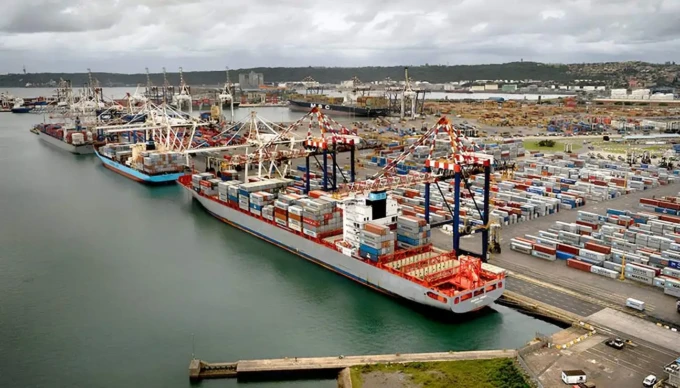
Logistics companies and freight operators report that several vessels have delayed departures or adjusted routes to avoid areas considered high risk. These ces can lengthen transit times and increase operational expenses for companies that rely on timely delivery schedules. Ports that normally process large volumes of cargo connected to Gulf shipping routes are also experiencing uncertainty as shipping firms wait for clearer security assessments before committing to voyages through the region.
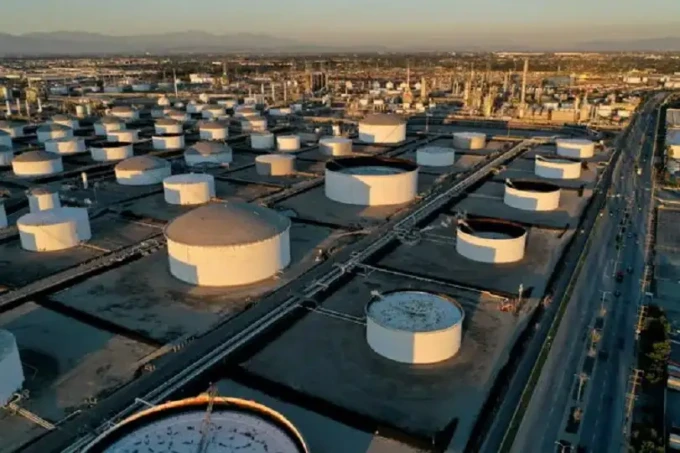
Industry analysts note that the Persian Gulf connects critical production centers with markets across Europe, Asia, and Africa. Large quantities of crude oil, liquefied natural gas, and petrochemical products typically pass through these routes each day. Any disruption to this flow can quickly influence shipping availability and freight pricing across the global logistics network. Businesses that depend on consistent transportation schedules are therefore preparing contingency plans to manage potential delays.
Manufacturers and retailers are also evaluating how prolonged shipping disruption could affect inventory planning. Supply chain managers often operate with tightly coordinated delivery timelines that rely on predictable shipping corridors. If vessels must travel longer distances or wait for improved security conditions, delivery cycles may slow and costs could rise. Companies in sectors such as automotive production, electronics manufacturing, and consumer goods distribution are monitoring developments closely as they consider adjustments to sourcing and inventory strategies.
Economic experts say the situation highlights how interconnected global commerce has become. Even localized disruptions in a strategic maritime region can influence production schedules, commodity prices, and consumer markets around the world. While shipping activity has not stopped entirely, the uncertainty surrounding Gulf routes has already introduced new challenges for international trade. Businesses and governments alike are continuing to track the evolving security landscape as they work to maintain the steady movement of goods across the global economy.









Leave a comment