
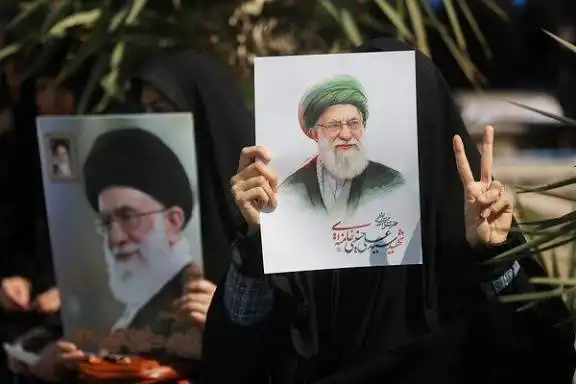
Senior Iranian clerics have reached a consensus on the selection of the country’s next supreme leader following intense internal consultations among religious and political authorities. The decision emerged after several days of deliberations involving influential members of the clerical elishment who gathered to discuss the future leadership of the Islamic Republic during a period of significant regional tension. Officials familiar with the discussions said the agreement reflects an effort to maintain continuity and ility within Iran’s political and religious system.
The selection process has been guided by the Assembly of Experts, the body constitutionally responsible for appointing the supreme leader. Members of the assembly have been reviewing potential candidates while also consulting senior scholars and political figures across the country. Sources close to the discussions indicated that the consensus was reached after careful consideration of several candidates who possess both religious credentials and political experience within Iran’s governing structure.
Iran’s supreme leader holds the highest authority in the country’s system of government, overseeing key state institutions including the armed forces, the judiciary, and major national policy directions. Because of the influence attached to the position, the decision about who will assume the role carries major implications for Iran’s domestic governance and international posture. Analysts say the new leader will face immediate challenges, including managing tensions with foreign powers and guiding the nation through an increasingly complex regional environment.
Within Iran, state media described the consensus among clerics as an important step toward ensuring political ility during a sensitive moment. Officials emphasized the importance of unity among religious authorities and government institutions as the country navigates a period of military pressure and diplomatic strain. Public messaging from Tehran has focused on presenting the leadership transition as orderly and in accordance with constitutional procedures.
International observers are closely watching the development, noting that the identity and priorities of Iran’s next supreme leader could influence the direction of the country’s foreign policy. Governments across the Middle East and beyond are assessing how the leadership ce might shape Iran’s approach to regional conflicts and diplomatic engagement. As the transition moves toward formal confirmation, attention remains focused on how the new leader will guide the nation during one of the most challenging periods in its recent history.








Leave a comment