
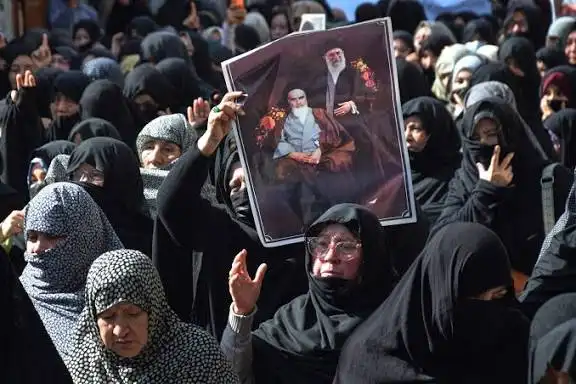
Israeli military leaders have indicated that any future leadership figure who assumes authority in Iran will remain under close scrutiny as the regional conflict continues to expand. Senior defense officials stated that the country will maintain pressure on what it describes as the command structure directing military and strategic decisions from Tehran. The statement reflects the intensifying rhetoric surrounding the confrontation and suggests that Israel intends to sustain its campaign against what it views as threats originating from Iranian leadership networks.
The comments were delivered during a briefing in which Israeli officials outlined their assessment of the current phase of the conflict. According to military representatives, the objective of recent operations has been to weaken the coordination structures that support Iranian military planning and regional influence. Officials said that Israel would continue monitoring developments within Iran’s political and religious leadership as the country prepares to appoint a new supreme leader.
Inside Iran, senior clerics and political authorities have begun internal discussions about the selection of a successor to guide the nation through a period of heightened tension. The supreme leader holds significant authority within Iran’s political system, overseeing both religious leadership and key national institutions. The process of determining a successor involves consultation among senior clerical figures and members of the Assembly of Experts, the body responsible for selecting the country’s highest authority.
Political analysts note that leadership transitions in Iran carry important implications for both domestic policy and foreign relations. The individual who ultimately assumes the role will influence how the country responds to external pressure and how it manages relations with neighboring states. Observers say that the regional confrontation has placed additional attention on the selection process, as governments across the Middle East and beyond closely watch how Iran’s leadership structure evolves.
Diplomatic voices from several countries have urged restraint in public statements surrounding leadership matters, emphasizing that heightened rhetoric could further inflame an already volatile situation. International organizations continue to call for dialogue and de escalation as tensions spread across multiple fronts in the Middle East. As Iran moves through a sensitive political moment while facing external military pressure, the direction taken by its next leadership figure could shape the region’s security landscape for years to come.







Leave a comment