
Gasoline prices across the United States have climbed sharply as the ongoing war involving Iran and Israel continues to disrupt global energy supply routes. Energy analysts say uncertainty surrounding oil shipments from the Middle East has pushed crude prices higher, a trend that is now being reflected in fuel costs for consumers. The situation has raised concern among policymakers and industry leaders who fear prolonged inility could sustain upward pressure on energy markets.
Market observers note that the Middle East remains one of the most important oil producing regions in the world. Any threat to supply routes or production capacity can quickly influence international prices. As tensions continue to rise in the region, traders have reacted cautiously by driving oil prices upward in anticipation of potential supply shortages.
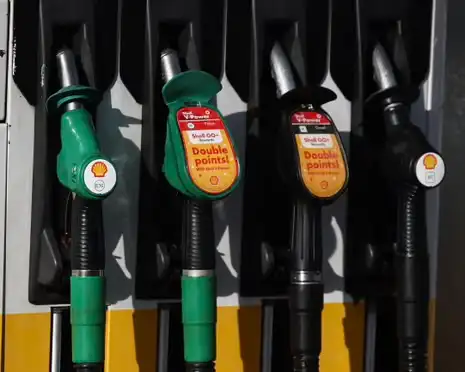
The impact has begun to appear at fuel stations across the United States where average gasoline prices have moved noticeably higher in recent days. Energy economists explain that gasoline prices often follow crude oil movements because refined fuel depends heavily on the cost of raw petroleum. When crude becomes more expensive due to geopolitical risks, the ce gradually affects consumers through higher fuel prices.
Transportation and logistics companies are also closely watching the trend. Rising fuel costs can increase operating expenses for trucking firms, airlines and shipping businesses that depend heavily on petroleum products. If the situation continues for an extended period, analysts say it could contribute to broader inflation pressures in sectors that rely on transportation.
Government officials and energy experts are now evaluating potential responses if global supply disruptions deepen. Strategic petroleum reserves and increased production from other oil producing regions are among the options often discussed during periods of market volatility. For now, markets remain sensitive to every development related to the conflict, as traders attempt to anticipate how the situation could shape global energy availability in the weeks ahead.












Leave a comment