
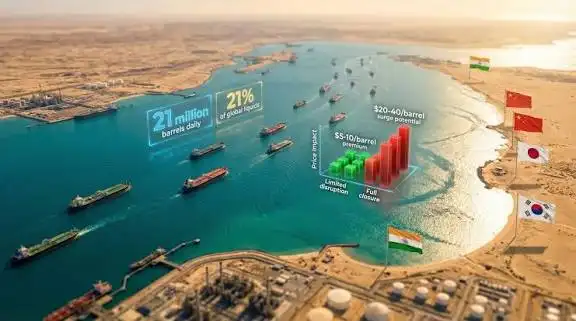
Energy companies around the world are intensifying internal reviews of contingency plans as rising geopolitical tensions in the Middle East fuel concerns about potential disruptions to oil and gas production, transportation, and export infrastructure. Executives across the global energy sector are closely monitoring developments while preparing strategies designed to ensure operational continuity if the regional conflict expands further.
The Middle East remains one of the most critical regions for global energy supply. Several countries in the area are among the world’s largest producers and exporters of crude oil and natural gas. Because of this strategic importance, energy firms operating in the region must continuously evaluate risk scenarios that could affect facilities such as production fields, processing plants, export terminals, and shipping networks.
Industry sources say companies are conducting extensive internal risk assessments that examine a wide range of potential threats. These include possible disruptions to shipping routes, cyber security risks targeting energy infrastructure, and the physical safety of employees working at facilities across the region. Contingency planning teams are reviewing evacuation procedures, emergency communication protocols, and alternative supply arrangements in case operating conditions deteriorate.
Many multinational energy corporations maintain complex global supply networks that allow them to shift production or redirect shipments if certain regions become unle. Analysts note that these diversified systems provide a degree of resilience, though sudden interruptions in major producing regions can still have a significant impact on global supply balances. Companies are therefore examining how quickly they could adjust logistics or increase output from other locations if exports from the Middle East were reduced.
Energy executives are also coordinating closely with governments and security agencies. In several countries, authorities have advised companies to maintain heightened vigilance and strengthen protective measures at key infrastructure sites. Facilities that handle large volumes of oil and gas exports often receive special attention because they represent critical nodes in the global energy system.
Another major concern involves the safety of maritime transport. Oil tankers and liquefied natural gas carriers rely on secure sea routes to deliver energy supplies to international markets. Shipping disruptions or threats to major maritime corridors could delay deliveries and increase costs for both producers and consumers. Energy companies are therefore monitoring shipping security updates and maintaining constant communication with logistics partners.
Financial markets have reacted cautiously as investors consider the potential consequences of wider regional disruptions. Oil and gas company shares have shown fluctuations as traders evaluate the likelihood of supply interruptions versus the possibility that diplomatic efforts might ease tensions. Energy analysts emphasize that market reactions often depend on how directly infrastructure or transportation routes are affected by geopolitical developments.
Despite the growing concerns, most energy facilities in the region remain operational. However, industry leaders stress that preparation remains essential in an environment where political and security conditions can ce rapidly. By strengthening contingency planning and maintaining flexible supply networks, companies hope to mitigate the impact of any potential disruption on global energy markets.












Leave a comment