
Governments across several continents are coordinating multinational evacuation efforts and expanding consular assistance programs to support citizens who remain in areas affected by the growing Middle East crisis. Diplomatic missions and emergency response teams have intensified cooperation as authorities work to ensure that nationals stranded in high risk locations can receive guidance, protection, and transportation to safer areas.
Foreign ministries have confirmed that embassies and consulates in multiple countries across the region have activated emergency response protocols. These protocols are designed to assist citizens during periods of inility by providing information, organizing evacuations, and coordinating with local authorities. Diplomatic staff are maintaining continuous communication with national governments while gathering updated information about security conditions on the ground.
In several locations embassy personnel have elished emergency registration systems that allow citizens to report their presence and request assistance. These registration systems help officials identify individuals who may require evacuation or consular support. Governments have urged their nationals to sign up for these services so that they can receive alerts about travel options, security developments, and assembly points for evacuation transport.
Multinational coordination has become an essential element of the evacuation process. Some countries do not maintain large diplomatic missions in every state across the Middle East, which means they must rely on cooperation with partner governments to assist their citizens. Through diplomatic agreements and regional partnerships, nations are sharing transportation resources, intelligence information, and logistical support to facilitate safe departures.
Air transportation remains one of the primary evacuation ods. Several governments have chartered special flights or deployed military aircraft to transport citizens from airports in affected regions. These flights are often coordinated through diplomatic channels to ensure that airspace permissions and security arrangements are in place before departure. Passengers on evacuation flights are typically screened and registered by embassy officials before boarding.
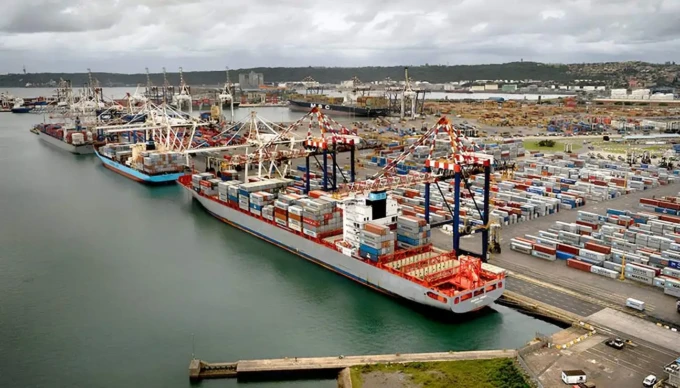
In areas where commercial flights have been suspended or severely limited, governments are exploring alternative options such as maritime evacuations. Naval vessels and chartered ships can sometimes be used to move citizens from ports to neighboring countries where commercial transportation is available. These operations require close cooperation between defense ministries, maritime authorities, and diplomatic personnel.
Consular assistance extends beyond evacuation logistics. Embassies are also providing temporary shelter, emergency documentation, and financial support to citizens who may have lost access to travel resources during the crisis. In addition diplomatic teams are helping individuals navigate local regulations, border procedures, and transportation arrangements while preparing to leave the region.
Officials emphasize that evacuation operations can be complex and time consuming, particularly when security conditions are cing rapidly. Governments must carefully evaluate risks while coordinating transportation schedules and ensuring that assembly locations remain safe for citizens awaiting departure.
Despite these challenges, diplomatic representatives say protecting nationals abroad remains a top priority. Governments have pledged to continue working together to provide assistance and maintain evacuation pathways for citizens who wish to leave affected areas until the regional situation ilizes.










Leave a comment