
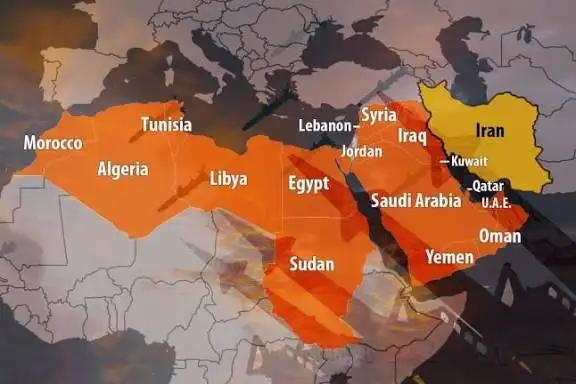
Security agencies and foreign ministries across the world have issued updated travel warnings for several parts of the Middle East as the regional conflict continues to intensify. Governments are urging citizens to reconsider travel plans and remain alert to rapidly cing security conditions following missile s, military operations, and rising geopolitical tensions across the region.
The new advisories were released by multiple countries within a short period, reflecting the seriousness with which authorities are monitoring the evolving situation. Officials said the warnings are intended to inform travelers about potential risks while providing guidance for citizens who may already be present in affected areas. In many cases governments have advised against non essential travel to certain countries or regions until the security situation becomes clearer.
Foreign ministries emphasized that the warnings are based on ongoing assessments of regional developments. Security analysts within government agencies regularly review intelligence reports, diplomatic information, and local conditions to determine whether travel advisories should be updated. The recent wave of missile interceptions and military activity in parts of the Gulf has increased concern that civilian areas and transportation networks could face disruptions if tensions continue to rise.
Travel advisories typically include a range of recommendations designed to help citizens reduce risks while abroad. Authorities often advise travelers to register with their embassy or consulate, maintain contact with family members, and stay informed through official government communication channels. In situations where security conditions deteriorate rapidly, registered travelers can receive alerts about evacuation plans, safe routes, or emergency assistance provided by diplomatic missions.
Air travel has already been affected in several areas due to concerns about airspace safety. Airlines have canceled or rerouted certain flights after aviation authorities issued guidance regarding potential hazards linked to military operations. These disruptions have complicated travel plans for thousands of passengers and may continue if the security environment remains uncertain.
Tourism industries in parts of the Middle East could also feel the impact of the warnings. Travel advisories often influence the decisions of tourists, business travelers, and international companies when planning trips or investments. When governments raise alert levels, tourism operators frequently experience cancellations and reduced bookings as travelers opt for destinations considered safer.
Diplomatic officials say the warnings are precautionary measures rather than indications that immediate danger exists everywhere in the region. However authorities emphasize that the situation can evolve quickly, especially during periods of heightened military tension. For this reason travelers are encouraged to remain vigilant and flexible with their plans.
International organizations and regional governments are continuing to monitor developments closely. Security agencies are sharing information and coordinating assessments to ensure that travel guidance reflects the most current conditions. Embassies in several Middle Eastern cities have also increased staffing levels to assist citizens who may need support or information during the crisis.
While travel continues in many parts of the region, experts say the advisories highlight the importance of caution during times of geopolitical inility. Governments are expected to update their guidance regularly as the situation develops, allowing citizens to make informed decisions about travel to and within the Middle East.










Leave a comment