
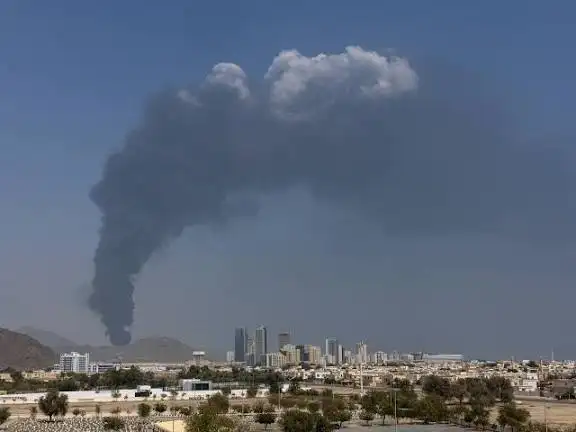
Air defense systems across several Gulf countries have been placed on high alert following a series of missile and drone threats targeting multiple nations in the region. Military authorities confirmed that surveillance networks, radar systems, and interceptor units have been activated at an elevated readiness level as governments respond to an increasingly volatile security environment. The heightened alert reflects growing concern that aerial s could continue or expand as tensions intensify across the Middle East.
Defense officials in several Gulf states reported that monitoring centers are operating continuously to track any new aerial activity. Radar installations and early warning systems have been scanning regional airspace for potential missile launches or drone movements. Military commanders said the current alert posture allows defense forces to respond within seconds if new threats are detected. The goal of the measures is to protect critical infrastructure, population centers, and military facilities from potential s.
The decision to raise alert levels follows recent incidents in which missiles and drones were reported approaching or entering the airspace of several Gulf nations. Air defense units were deployed to intercept some of these threats, and emergency response teams were placed on standby in case of damage or casualties. Although authorities in some countries reported successful interceptions, the incidents have demonstrated how rapidly security conditions in the region can deteriorate.
Gulf countries rely on layered air defense systems designed to detect, track, and intercept aerial threats at multiple stages. These systems typically include long range radar networks, interceptor missiles, and command centers that coordinate responses between different branches of the military. Security analysts say that maintaining high readiness is essential when dealing with missile and drone technologies that can travel long distances in a relatively short amount of time.
Officials emphasized that the heightened alert status does not necessarily indicate that a new is imminent. Instead the measure is intended as a precaution during a period of intense regional inility. Governments across the Gulf are also increasing security around major infrastructure sites such as oil production facilities, power plants, airports, and communication hubs. These locations are considered vital to both national security and the global energy market.
Military experts note that drone technology has added a new dimension to regional security challenges. Unlike traditional missiles, drones can sometimes fly at lower altitudes and follow unpredictable routes, making them more difficult to detect and intercept. As a result many countries are expanding their defensive capabilities to include specialized systems designed specifically to counter unmanned aircraft.
Regional cooperation has also become an important element of the defensive posture. Gulf states are sharing radar data and intelligence in order to improve early warning capabilities. Joint monitoring efforts allow defense authorities to track potential threats across a wider geographic area and respond more effectively if missiles or drones cross national borders.
International observers are closely watching developments as the security situation continues to evolve. The Gulf region is a crucial hub for global energy supply and maritime trade, and any sustained military escalation could have far reaching economic and geopolitical consequences. For now defense authorities say they will maintain heightened vigilance while continuing to monitor the situation closely.












Leave a comment