
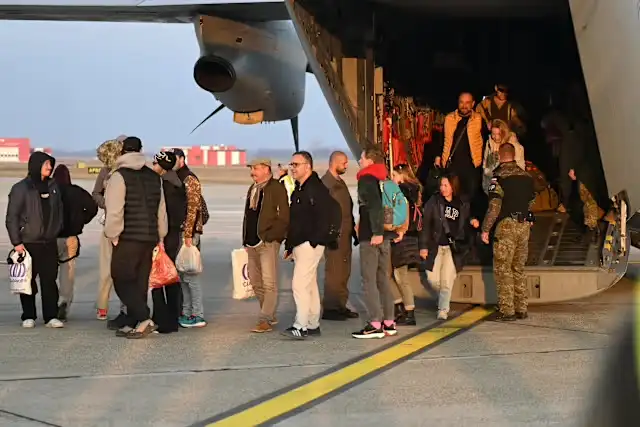
Governments around the world have begun organizing urgent evacuation operations to remove their citizens from areas affected by the escalating conflict across the Middle East. As tensions intensify and military activity spreads across multiple countries, officials are warning that the security situation could deteriorate rapidly. Diplomatic missions are working around the clock to assist nationals seeking to leave while coordinating flights, maritime routes, and emergency transportation options from high risk regions.
Several countries have issued immediate travel advisories urging citizens to depart affected areas or avoid travel to the region entirely. Foreign ministries have instructed embassies and consulates to assist in evacuation efforts and provide emergency support to those unable to leave immediately. In some cases, governments have chartered special flights to transport citizens to safer locations. Airports in several regional hubs have seen increased activity as evacuation operations accelerate.
The urgency of these measures reflects growing concern that the widening conflict could disrupt transportation networks and make travel significantly more difficult in the coming days. Airspace restrictions, missile threats, and military operations have already forced airlines to reroute flights and cancel services across parts of the region. Officials fear that further escalation could lead to sudden closures of airports or major transportation corridors, leaving foreign nationals stranded.
Embassies in several Middle Eastern countries have also advised citizens who cannot immediately leave to shelter in place and remain in close contact with diplomatic staff. Emergency hotlines have been elished to help people register their presence and receive updated safety instructions. Diplomatic officials say communication with citizens is essential during rapidly cing security situations, particularly in areas where access to transportation may be limited.
In addition to evacuation flights, some governments are exploring alternative routes for their citizens, including land crossings into neighboring countries or maritime evacuations through regional ports. Naval vessels and military transport aircraft may also be deployed if the security environment continues to deteriorate. These contingency plans are designed to ensure that governments can respond quickly if civilian transportation networks become unreliable.
The evacuations highlight the growing international impact of the Middle East crisis. Countries far from the conflict zone are increasingly affected as their citizens living, working, or traveling in the region seek safe passage home. Businesses with operations in the Middle East have also begun relocating employees while monitoring developments closely.
Analysts say the scale of the evacuation efforts reflects concerns that the conflict could spread further across the region. Governments are attempting to act quickly to protect their citizens while maintaining diplomatic engagement aimed at reducing tensions. As military activity continues and the security situation remains unpredictable, officials warn that evacuation operations may expand in the coming days if conditions worsen.












Leave a comment