
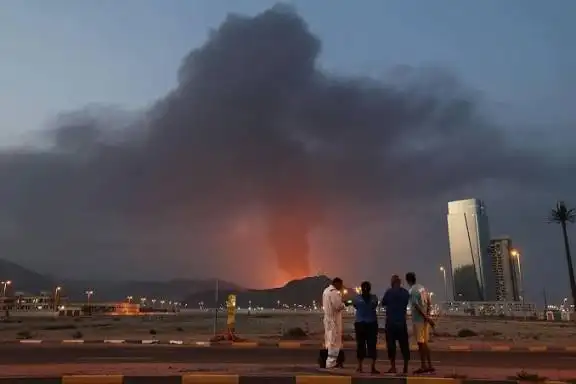
The conflict in the Middle East intensified further on Tuesday as Israeli and United States forces carried out additional military strikes inside Iran, expanding a confrontation that has already unsettled global markets and triggered widespread diplomatic alarm. The renewed s targeted what officials described as strategic military infrastructure, including missile facilities and command centers. Iranian authorities confirmed explosions in multiple provinces, while state media reported casualties and damage to industrial zones.
Israeli defense officials said the operations were aimed at degrading Iran’s capacity to launch long range missile s. The Pentagon stated that the United States participated in coordinated strikes designed to neutralize what it called imminent threats to regional security. Iranian leaders condemned the s as acts of aggression and vowed a firm response, warning that further escalation would draw more actors into the conflict.
The immediate economic impact was swift. Oil prices surged sharply during Asian and European trading sessions, with benchmark crude climbing amid fears of supply disruptions in the Gulf. Analysts pointed to growing concerns over the security of shipping routes near the Strait of Hormuz, a critical passage for global energy exports. Energy traders reacted to reports that several shipping companies had temporarily halted transit through high risk zones.
Global financial markets reflected mounting uncertainty. Major stock indices in Europe, Asia, and North America declined as investors moved funds into traditional safe haven assets such as gold and government bonds. Market strategists said the volatility was driven not only by the latest strikes but also by the increasing likelihood of prolonged hostilities between Iran and its adversaries.
Diplomatic missions across the region took precautionary measures. Several embassies in Tehran and neighboring capitals reduced staff or temporarily suspended operations. Governments including those of European Union member states issued travel advisories urging citizens to avoid non essential travel to affected areas. Regional airlines adjusted flight paths or suspended services due to security concerns and restricted airspace.
Humanitarian organizations warned that the expanding conflict could worsen conditions for civilians. Aid groups reported disruptions to supply chains and difficulty accessing vulnerable populations in certain areas. The United Nations called for immediate de escalation and renewed diplomatic engagement to prevent a broader regional crisis.
Security analysts caution that the coming days will be critical in determining whether the confrontation remains limited or evolves into a wider war involving additional regional actors. With military activity ongoing and diplomatic channels under strain, the international community faces growing pressure to contain a conflict that is already reshaping energy markets and geopolitical calculations worldwide.











Leave a comment