
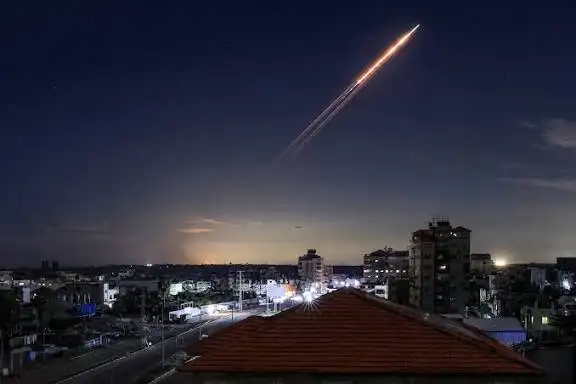
Iran has continued launching missile and drone strikes across parts of the Gulf region, escalating its retaliation campaign amid the expanding conflict with Israel and the United States. According to regional security officials, multiple projectiles were detected targeting strategic and military linked locations over the past twenty four hours, prompting air defense responses in several countries.
Iranian state affiliated media described the operations as defensive measures in response to earlier strikes on its territory. Officials in Tehran have framed the s as proportional retaliation, warning that further military action against Iranian assets would trigger additional responses. The developments mark one of the most intense phases of cross border exces in recent years.
Authorities in Gulf states reported intercepting several drones and missiles before they reached intended targets. While damage assessments are ongoing, early reports indicate that most of the projectiles were neutralized by air defense systems. However, the repeated launches have increased anxiety about the risk of miscalculation or accidental civilian harm, particularly in densely populated urban centers.
Military analysts note that Iran’s use of drones alongside ballistic and cruise missiles reflects a strategy designed to stretch defensive capabilities and test regional readiness. The pattern of launches has also drawn attention to the growing sophistication of unmanned aerial systems in modern conflict environments.
Governments across the region have heightened security around critical infrastructure, including airports, energy facilities and diplomatic compounds. Several countries issued public advisories urging residents to remain alert and to follow official guidance during air defense alerts. Commercial aviation routes have been adjusted in some areas to reduce exposure to potential threats.
Diplomatic efforts aimed at de escalation are continuing, though progress appears limited. European and Gulf intermediaries are reportedly engaging with both Tehran and Western capitals in an attempt to prevent the confrontation from broadening further. Public statements from key actors, however, suggest that positions remain firmly entrenched.
Financial markets have reacted to the sustained s with caution, particularly in energy trading where supply disruption concerns persist. Insurance premiums for maritime traffic in sensitive waterways have climbed, and some shipping operators are reassessing risk levels.
Security experts warn that continued exces increase the likelihood of unintended escalation. Even if strikes are calibrated, the cumulative impact of repeated launches could draw additional actors into the conflict. For now, regional governments are balancing defensive preparedness with diplomatic outreach as tensions remain high.











Leave a comment