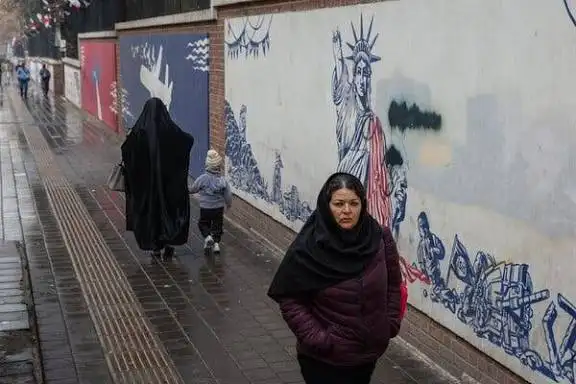
Governments across Europe, Asia and the Americas have issued sharply varied responses to the rapidly evolving conflict involving Iran, Israel and the United States, reflecting deep divisions over strategy, accountability and the path toward de escalation. While some nations have voiced strong support for Israel’s security concerns, others have called for immediate restraint and a return to negotiations.
In Washington, President Donald Trump defended the military posture adopted by the United States, stating that actions taken were aimed at neutralizing threats and restoring deterrence. Administration officials emphasized that the campaign was limited in scope and designed to prevent further regional destabilization.
Several European governments urged an urgent diplomatic push. Leaders in France, Germany and the United Kingdom called for renewed dialogue with Tehran and stressed the importance of preventing the conflict from expanding into a broader regional war. European Union officials warned that continued escalation could undermine global economic stability and worsen humanitarian conditions.
Russia and China adopted a more critical tone toward Western military involvement. Moscow described the situation as a dangerous escalation, while Beijing emphasized respect for sovereignty and called for all parties to exercise restraint. Both countries reiterated their support for political solutions through multilateral forums.
In the Middle East, responses have been shaped by national security calculations and existing alliances. Gulf states have expressed concern about the risk of spillover violence, particularly threats to maritime routes and energy infrastructure. Some regional governments have quietly intensified security cooperation with Western partners, while publicly advocating for calm.
At the United Nations, diplomats convened emergency consultations to assess the humanitarian and security implications of the conflict. Officials warned that miscalculation could trigger wider instability across fragile states already facing economic and political strain.
Financial markets mirrored the diplomatic uncertainty. Investors weighed the potential for prolonged hostilities against the possibility of negotiated pauses. Analysts noted that global supply chains, energy prices and currency markets remain sensitive to political signals from key capitals.
Despite the divergence in public messaging, most major powers agree on one point: the need to prevent the conflict from spiraling beyond control. Whether coordinated diplomatic pressure can translate into concrete de escalation remains unclear as military operations continue.






Leave a comment