
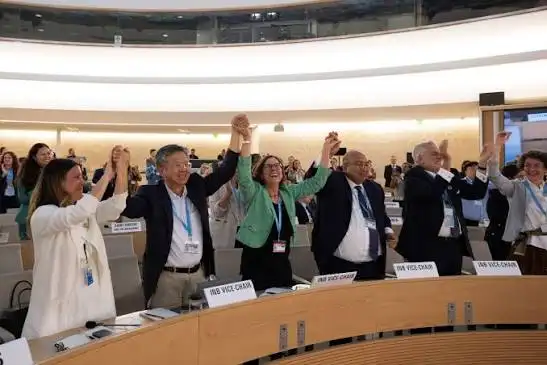
Member states of the World Health Organization have concluded negotiations on a critical annex to a proposed global pandemic accord, marking a significant milestone in efforts to strengthen international preparedness and response mechanisms. Delegates described the agreement as a technical yet consequential component of a broader framework intended to prevent the chaos and fragmentation that characterized the early phases of the recent global health crisis.
The annex focuses on operational standards, information sharing protocols, and equitable access to medical countermeasures. Negotiators worked through complex language addressing pathogen surveillance, rapid data exce, and the distribution of vaccines, diagnostics, and theutics during public health emergencies. According to officials familiar with the talks, consensus was reached after extended deliberations balancing national sovereignty concerns with the imperative of collective action.
Public health experts say the annex could help clarify how countries are expected to notify one another about emerging threats and how resources should be allocated when outbreaks cross borders. A senior delegate involved in the discussions noted that the new provisions aim to enhance transparency and trust, two elements widely viewed as essential for coordinated responses.
Low and middle income nations had pressed for stronger guarantees on equitable access to medical supplies, arguing that previous crises exposed deep disparities in vaccine availability and manufacturing capacity. The negotiated text reportedly includes commitments to technology transfer cooperation and regional production hubs, though implementation details will depend on domestic legislation and funding.
Some member states expressed reservations during the talks, particularly around compliance mechanisms and the potential financial obligations associated with expanded surveillance infrastructure. However, supporters contend that clearer standards will ultimately reduce uncertainty and improve crisis management.
The annex now forms part of a larger treaty package that remains subject to further review and formal adoption procedures. Legal experts caution that ratification by national governments will be required before the provisions become binding. Even so, observers describe the conclusion of negotiations as a signal that multilateral health diplomacy retains momentum despite geopolitical tensions.
Civil society organizations welcomed the progress but called for continued vigilance to ensure that commitments translate into tangible capacity building. They emphasized the importance of sustained investment in laboratory networks, workforce training, and community engagement.
As global health threats continue to evolve, the finalized annex stands as a reminder of the lessons learned from recent emergencies. Whether the new framework will deliver more timely and equitable responses in future crises will depend not only on the text itself but also on the political will of member states to uphold its principles.









Leave a comment