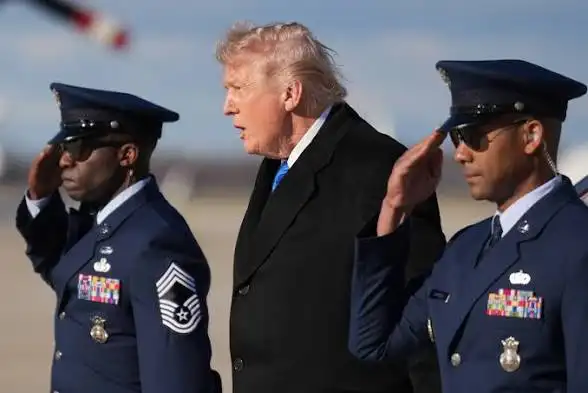
Senior officials at the White House have broadened diplomatic outreach efforts through multiple formal and informal channels, according to sources familiar with internal coordination. The initiative seeks to maintain dialogue across sensitive portfolios while reinforcing policy objectives abroad. Briefings described synchronized engagement spanning allied capitals, multilateral forums, and discreet intermediaries supporting sustained communication during complex regional developments.
Administration representatives said outreach includes structured consultations, technical working groups, and leader level exces focused on de escalation pathways. Teams are aligning talking points and sequencing proposals to manage expectations. Officials emphasized that sustained contact can reduce misperception, preserve flexibility, and create space for compromise while safeguarding national interests across intertwined security and economic considerations.
Diplomats are coordinating closely with partners in European Union institutions and key member states to harmonize messaging. Joint statements and shared readouts aim to present consistent positions on verification standards, humanitarian access, and regional ility. Observers note that coherence among partners can strengthen leverage and credibility during delicate negotiations requiring patience and technical precision.
Backchannel communications continue alongside public diplomacy, enabling exploratory discussions away from media scrutiny. Sources described confidential exces that test proposals and clarify red lines without formal commitments. Analysts said parallel tracks often accelerate progress by separating political signaling from technical problem solving, particularly when trust deficits and domestic pressures complicate overt bargaining environments.
Legislative leaders received briefings outlining objectives, guardrails, and oversight mechanisms supporting expanded engagement. Lawmakers urged transparency with the public while endorsing continued diplomacy. Committees reviewed authorization frameworks and resource allocations to ensure agility. Observers viewed cross party consultations as indicators of institutional alignment during complex foreign policy deliberations with far reaching implications.
Regional stakeholders welcomed continued communication while calling for restraint and civilian protections. Humanitarian groups emphasized access corridors and essential services continuity. Economic actors monitored policy signals that could influence markets, supply chains, and investment planning. Experts said disciplined messaging helps temper volatility and reduces risks of miscalculation across interconnected geopolitical and commercial systems.
Officials reiterated that outreach complements preparedness and does not predetermine outcomes. Future steps will reflect partner input, verified developments, and policy reviews. Strategic communication aims to project steadiness while preserving negotiation pathways. Analysts expect sustained engagement across platforms as stakeholders pursue workable arrangements under evolving regional conditions and multilateral facilitation efforts.







Leave a comment