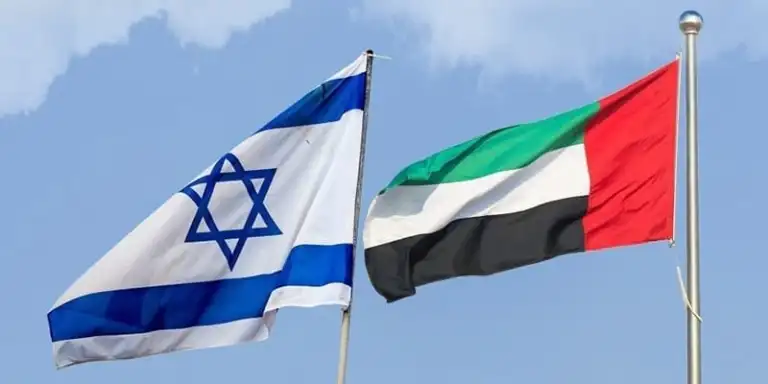
The two-state solution for Israelis and Palestinians is facing growing uncertainty despite continued international support. While organizations like the UN prioritize the immediate humanitarian crisis in Gaza, discussions regarding long-term political solutions have taken a backseat.
Several factors contribute to this pessimism. The expansion of Israeli settlements in the West Bank continues, undermining the territorial viability of a future Palestinian state and fueling tensions. Internal political divisions also hinder progress. The lack of unified Palestinian leadership, coupled with a less receptive political climate in Israel towards necessary concessions, weakens prospects for successful negotiations.
The international focus has shifted to managing the immediate consequences of the conflict, prioritizing humanitarian aid and de-escalation efforts. While crucial, this approach fails to address the underlying political issues.
The future of the two-state solution depends on a renewed international commitment to broker negotiations, a willingness from both sides to compromise, and a shift in public opinion recognizing the long-term benefits of peace. Without these elements, the two-state vision risks remaining unattainable, overshadowed by ongoing conflict and inility.












I believe the two-state solution is still possible if both sides are willing to compromise. Lets stay hopeful and keep the dialogue going!
I think the two-state solution is still possible if both sides are willing to compromise. Lets stay positive and hopeful!
I dont buy into the two-state solution anymore. Why not explore a one-state solution with equal rights for all? Just a thought!
I believe the two-state solution is still possible if both sides are willing to compromise and prioritize peace over pride.