
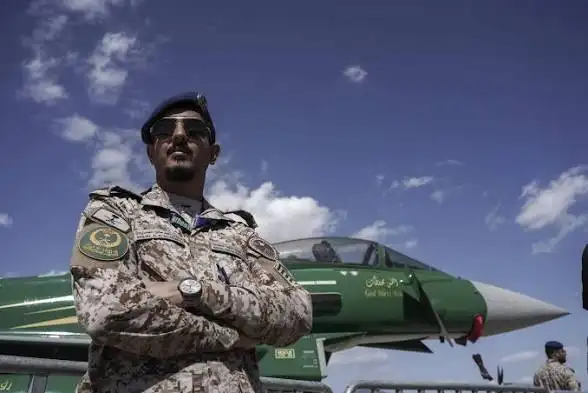
Senior officials in Washington indicated that the United States is prepared for a broader military response in the Middle East, even as public statements emphasize continued diplomacy. The dual messaging reflects a strategy designed to deter regional adversaries while preserving negotiation channels, according to defense and administration sources familiar with ongoing internal deliberations within policy circles nationwide today.
Briefings described contingency planning that includes force posture adjustments, logistics coordination, and rapid deployment options. Officials said preparations are precautionary and do not signal an immediate decision to expand operations. However, the visibility of planning efforts is intended to reinforce credibility, reassure partners, and communicate resolve to rivals monitoring developments closely across multiple strategic theaters and alliances.
Diplomatic messaging continues in parallel, with representatives reiterating support for dialogue and de escalation frameworks. Public remarks stress humanitarian considerations and regional coordination, aiming to prevent miscalculation. Analysts note that synchronized communication across agencies seeks to balance firmness with openness, limiting market disruption and maintaining allied cohesion during a volatile security environment marked by uncertainty and restraint efforts.
Military planners are refining readiness timelines while coordinating with regional commands and international partners. Resource allocation reviews cover air assets, naval presence, cyber defense, and intelligence integration. Officials emphasize proportionality and legal oversight, underscoring adherence to international norms as operational concepts evolve in response to shifting threat assessments and partner consultations across theaters under unified strategic guidance.
Lawmakers received classified updates outlining potential scenarios and risk mitigation measures. Several members called for transparency with the public while supporting preparedness steps. Budgetary pathways and authorization frameworks are under review to ensure flexibility. Observers say legislative engagement signals institutional alignment during a period requiring swift coordination between civilian leadership and defense authorities nationwide and overseas commands simultaneously.
Regional partners are assessing implications for trade routes, energy flows, and civilian safety. Diplomatic channels remain active through multilateral forums and bilateral contacts. Economic stakeholders monitor signals for policy direction, adjusting forecasts accordingly. Security experts caution that perception management is critical, as misread intentions can accelerate escalation cycles despite ongoing engagement efforts within tense geopolitical climates worldwide today.
Officials maintain that preparedness and diplomacy are not mutually exclusive, describing the approach as calibrated and conditional. Future decisions will depend on developments across multiple fronts, including partner input and adversary behavior. For now, messaging aims to project readiness without foreclosing negotiations, preserving maneuvering space as circumstances evolve under careful review by senior national security leadership teams internally.






Leave a comment