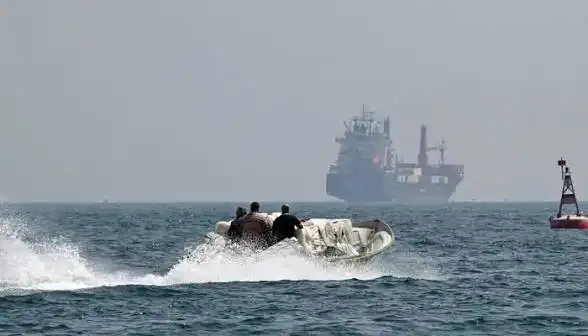
The United States has issued a stern warning to Iran, signaling that further disruption to a key shipping route could lead to significant consequences. Officials described the situation as deeply concerning, particularly as maritime movement through the region shows signs of restriction. The warning comes as global attention intensifies on the security of vital energy transit corridors.
Senior officials stated that any sustained interference with commercial navigation would be viewed as a direct threat to international economic ility. They emphasized the importance of maintaining open sea lanes for global trade and energy transport. Diplomatic channels remain active, though public messaging has taken a firmer tone as tensions continue to rise across the broader region.
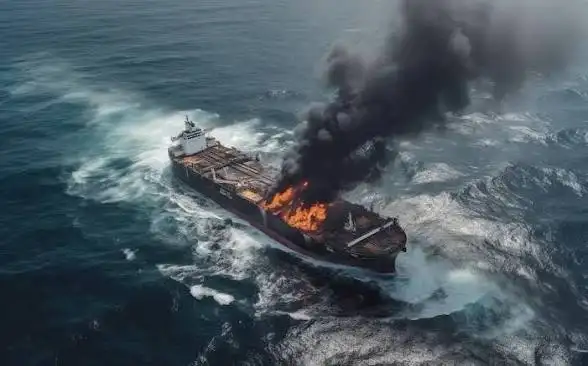
Reports indicate that parts of the shipping route are experiencing reduced traffic, with some vessels delaying passage due to safety concerns. Maritime agencies have increased surveillance while advising operators to exercise heightened caution. The evolving situation has led to growing unease among shipping companies, many of which are reassessing operational risks and insurance coverage requirements.
Energy analysts warned that even limited disruption could have wide reaching consequences for global oil supply. The affected route is responsible for transporting a substantial share of the world crude exports, making it a focal point for market sensitivity. Price fluctuations have already reflected these concerns, with traders reacting quickly to developments as they unfold.
In response to the situation, the United States has coordinated with allies to explore measures aimed at safeguarding maritime navigation. This includes potential increases in naval presence and enhanced monitoring efforts. Officials stressed that the objective is deterrence and protection of international commerce rather than escalation, though they did not rule out further action if conditions worsen.
Iranian authorities have not publicly acknowledged responsibility for the reported disruption but have reiterated their stance on regional sovereignty and security. Statements from Tehran have called for external powers to avoid interference, framing the situation within a broader geopolitical context. The lack of direct communication has added to uncertainty surrounding intentions and possible next steps.
Global leaders have urged restraint, emphasizing the importance of diplomatic engagement to prevent further deterioration. International organizations highlighted the critical role of cooperation in maintaining le trade routes. As the situation develops, markets and governments alike remain on alert, closely monitoring signals that could indicate either de escalation or a shift toward more serious confrontation.





Leave a comment