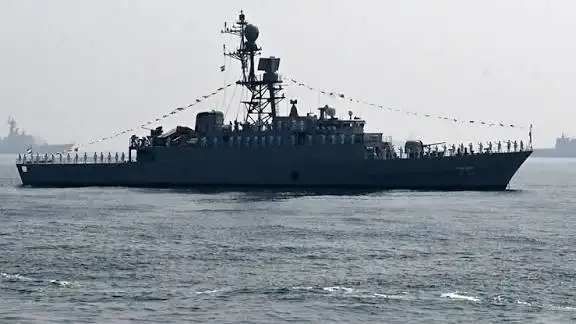
Reports indicate that a United States submarine has engaged and sunk an Iranian warship in the Persian Gulf, marking a significant escalation in the ongoing conflict involving Iran, Israel, and the United States. The incident underscores the increasing intensity of military operations in the region and raises concerns about the potential for a broader confrontation that could draw in additional countries.
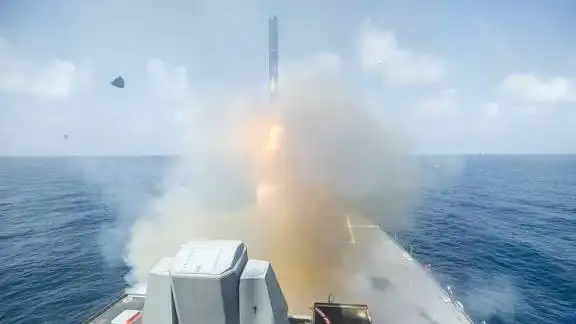
According to sources familiar with the operations, the strike targeted a vessel believed to be part of Iran’s naval forces, which were reportedly operating near key shipping lanes in the Gulf. The submarine reportedly used advanced precision weaponry to neutralize the target, though details regarding casualties or the exact type of vessel involved have not been independently verified. U.S. military officials have declined to provide a full confirmation of the incident, citing operational security concerns.
Security analysts say the engagement represents one of the most direct confrontations between U.S. forces and Iranian military assets to date. It demonstrates the capability and willingness of the United States to project power beneath the surface of the Gulf in order to counter perceived threats to allied forces and commercial shipping. Submarine operations have long been a critical element of U.S. naval strategy, particularly in areas where aerial or surface engagements may carry higher risks.
The sinking of the Iranian warship comes amid a series of missile exces, air strikes, and naval movements across the region. Observers note that such high stakes operations increase the potential for miscalculations that could rapidly escalate the conflict. The presence of multiple military actors operating in close proximity creates a complex operational environment that requires careful coordination and real time intelligence.
Iranian authorities have condemned the reported sinking, describing it as an aggressive act of war and warning that further retaliatory measures will be taken against U.S. and allied forces. Tehran’s statements emphasize the risk of escalation, with senior officials suggesting that additional strikes could target military and strategic assets of countries involved in the campaign against Iran.
Regional governments and international organizations have expressed concern about the incident, emphasizing the urgent need for diplomatic intervention to prevent further escalation. Analysts suggest that the engagement could influence strategic calculations not only in the Middle East but across the wider global security environment, particularly regarding energy transport and maritime security.
The global maritime industry is also closely monitoring the situation. Naval analysts point out that any significant increase in military activity near key shipping routes, including the Strait of Hormuz, could disrupt commercial traffic and energy shipments, with potentially widespread economic consequences.
For U.S. defense planners, the incident underscores the need to maintain operational readiness across multiple domains, including surface, subsurface, and aerial operations. The use of submarine assets in the current conflict illustrates a deliberate strategy aimed at applying pressure on Iranian military capabilities while minimizing exposure to U.S. personnel.
As the situation develops, international observers are watching for signs of retaliation, escalation, or efforts to de-escalate the conflict. The reported sinking of an Iranian warship signals that the confrontation has reached a stage in which direct military engagements between state actors are becoming increasingly likely.





Leave a comment