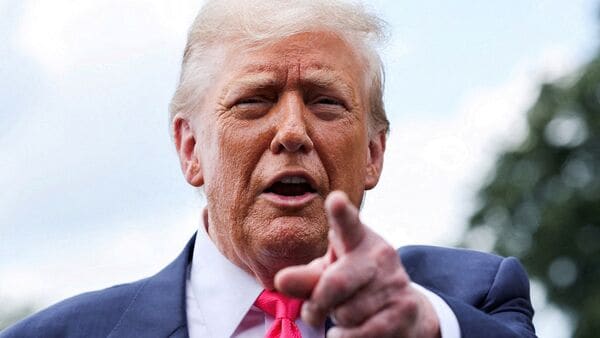
The United States may need to intensify its military actions against Iran in order to eventually wind down the ongoing conflict, according to Scott Bessent. His remarks come as Donald Trump outlined seemingly conflicting strategies regarding the war.
Speaking on NBC’s Meet the Press, Bessent explained that escalation and de escalation are not mutually exclusive. “Sometimes you have to escalate to de escalate,” he said, suggesting that increased pressure may be necessary to achieve long term ility.
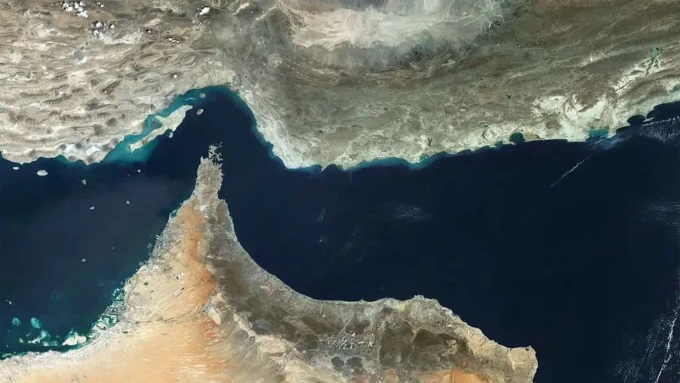
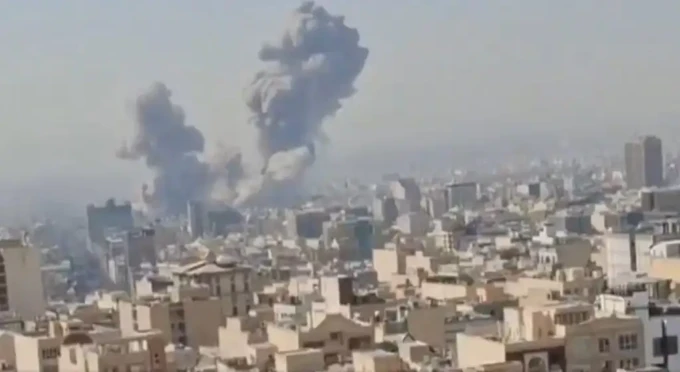
President Trump had earlier warned that the US could “obliterate” Iranian energy infrastructure if Tehran fails to reopen the Strait of Hormuz, a critical passage through which about 20 percent of the world’s oil and gas supply flows. The threat followed earlier remarks indicating that US objectives were nearly achieved and that a wind down of the conflict was under consideration.
Tensions have already disrupted global energy markets, with Iran threatening to block shipping routes through the Strait of Hormuz. This has contributed to rising oil prices and growing concerns over inflation and economic inility worldwide.
In an effort to ease market pressure, Bessent revealed that the US had temporarily lifted certain sanctions on Iranian and Russian oil shipments that were already loaded. While the move aims to ilize prices, it has drawn criticism from observers who argue it could indirectly benefit Iran financially during the conflict.
Bessent defended the decision, noting that the oil would have been sold regardless, primarily to China, and that keeping prices lower reduces the revenue Iran can generate.
Meanwhile, Reza Pahlavi, son of Iran’s last shah, urged both the US and Israel to avoid targeting civilian infrastructure, emphasizing that such assets belong to the Iranian people.
As the conflict continues, uncertainty remains over how long the crisis will last and how deeply it will impact global markets and political ility.



Leave a comment