
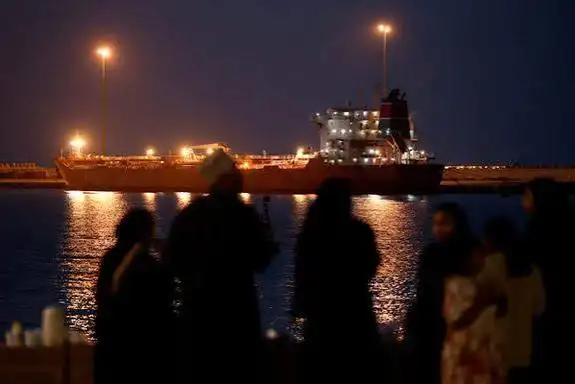
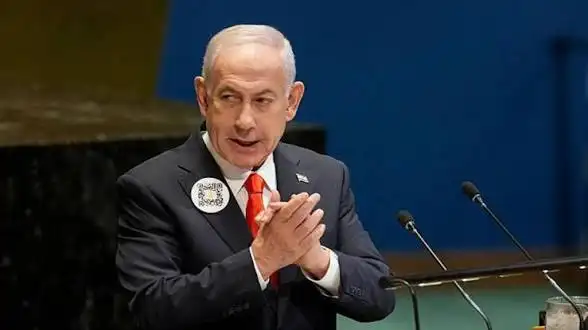
The Donald Trump is urging partner nations to join a proposed multinational coalition focused on protecting commercial shipping lanes across the Gulf region. Administration officials say the initiative is designed to strengthen maritime security coordination and reassure global markets that essential sea routes will remain open to lawful trade. Diplomatic outreach has intensified as governments weigh the economic consequences of prolonged disruptions to energy and cargo transit.
According to senior officials in the United States, the proposal centers on shared naval patrols, intelligence cooperation, and synchronized escort procedures for merchant vessels. The framework aims to distribute responsibilities among participating countries while reinforcing elished principles of freedom of navigation. Policy advisers describe the effort as a defensive and rules based approach intended to deter interference with civilian shipping rather than expand military confrontation.
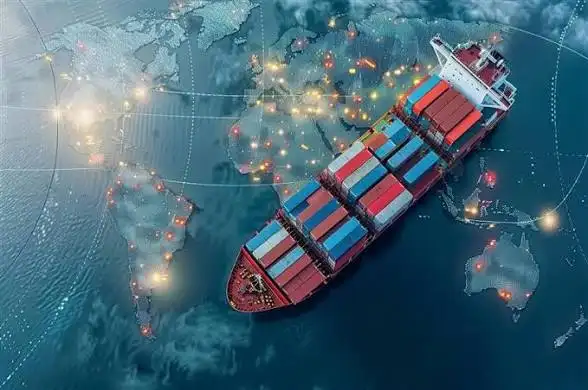
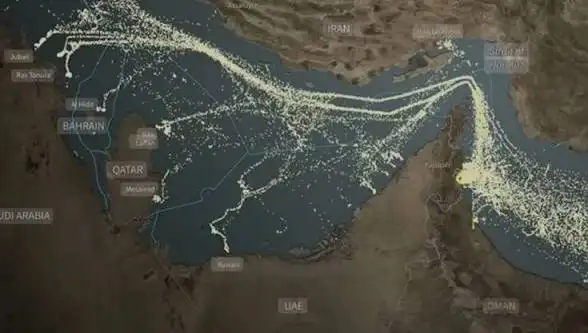
The strategic importance of the region has placed particular attention on corridors linked to the Strait of Hormuz, a passage that handles a significant share of global energy transport and container traffic. Shipping firms and insurers have raised concerns about rising operational risk, which has increased freight premiums and complicated route planning. Energy importers in Asia and Europe are monitoring the situation closely, given the reliance of refineries and manufacturers on predictable delivery schedules.
Diplomatic engagement has produced a mixed response. Some governments have signaled openness to deeper maritime coordination, citing the benefits of collective security and le trade flows. Others remain cautious, pointing to domestic political considerations, budget constraints, and the need to avoid actions that could heighten regional tensions. Analysts note that coalition building often requires balancing strategic objectives with legal mandates and public opinion across diverse capitals.
Business groups and trade associations have welcomed efforts that could reduce uncertainty for logistics networks and commodity markets. They argue that visible cooperation among naval forces can help restore confidence for carriers and energy buyers facing volatile conditions. At the same time, policy experts emphasize that maritime initiatives should be paired with diplomatic channels that address underlying disputes and promote de escalation. As consultations continue, the coalition proposal is emerging as a central element of Washington strategy to sustain secure transit and protect the integrity of global commerce.






Leave a comment