
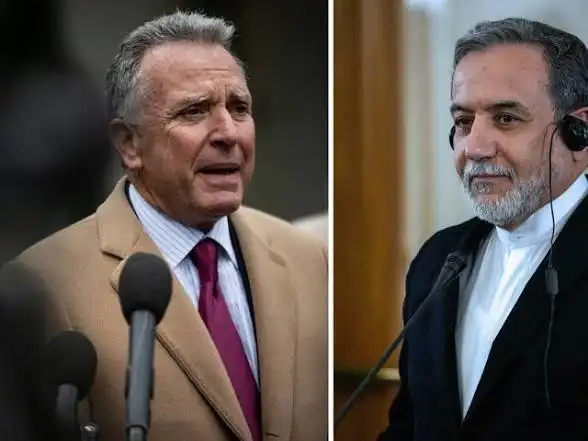
Officials in the United States have suggested that a diplomatic resolution with Iran remains possible, even as tensions continue to rise across the Middle East. Senior policymakers indicated that ongoing discussions are being explored through both direct and indirect channels, with an emphasis on preventing further escalation while maintaining strategic pressure on Tehran to reconsider its current posture.
Representatives linked to United States Department of State emphasized that any potential agreement would require stricter terms than previous arrangements, particularly regarding nuclear development, regional influence, and security commitments. Officials noted that past frameworks failed to fully address long term concerns, prompting a renewed focus on enforceable measures and broader compliance mechanisms in any future deal structure.
Diplomatic efforts are reportedly being coordinated with key allies, including European partners who remain invested in ilizing the region through negotiation. Officials familiar with discussions referenced continued engagement with members of the European Union, aiming to align positions and ensure a unified approach that balances pressure with incentives designed to encourage meaningful concessions from Iranian leadership.
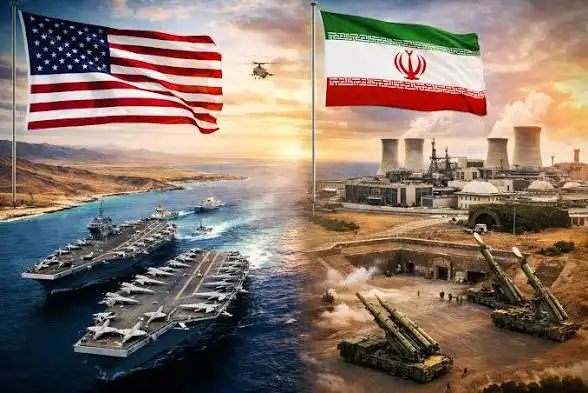
At the same time, policymakers have reiterated that military options remain under consideration should diplomatic avenues fail to produce results. Defense officials stressed that preparedness is essential, though they underscored that negotiations remain the preferred path. Analysts believe this dual track strategy reflects an attempt to maintain leverage while avoiding the immediate consequences of broader regional confrontation and economic disruption.
Iranian responses to these signals have been cautious, with officials reiterating their own conditions for engagement and warning against what they describe as coercive tactics. Observers note that mistrust remains a significant barrier, particularly given the history of previous agreements and withdrawals. This dynamic has complicated efforts to elish a foundation for renewed negotiations despite international calls for dialogue.
Economic factors continue to play a central role in shaping the diplomatic landscape, as sanctions and market volatility exert pressure on both sides. Energy markets, trade flows, and currency ility are all closely tied to the outcome of negotiations. Experts suggest that economic incentives could become a key bargaining tool in any potential agreement if both parties are willing to compromise.
While the prospect of a diplomatic breakthrough remains uncertain, officials have indicated that communication channels will remain open. International mediators continue to explore opportunities for de escalation, though progress is expected to be gradual. Analysts caution that without sustained effort and mutual concessions, achieving a durable resolution may prove challenging in the current geopolitical climate.









Leave a comment