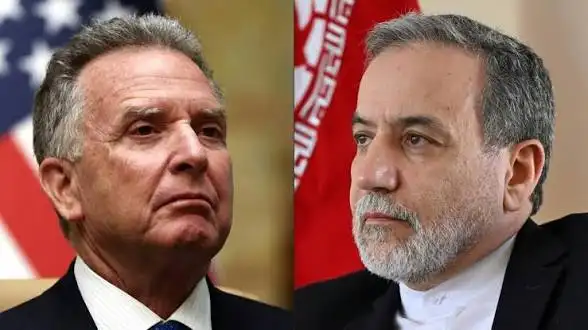
Senior United States officials have confirmed that high level envoys are actively engaged in discreet communication channels with Iranian representatives, signaling a complex diplomatic effort unfolding alongside heightened regional tensions. These interactions are said to involve experienced negotiators tasked with exploring potential pathways to reduce friction while maintaining strategic positioning amid ongoing military developments across the Middle East.
According to defense and diplomatic sources, the envoys are operating through indirect frameworks designed to allow both sides to communicate without formal public commitments. This approach reflects longstanding patterns in sensitive negotiations where public rhetoric often contrasts with quieter engagement behind closed doors, particularly when both governments face internal and external pressures shaping their decision making processes.
Officials familiar with the discussions describe the talks as cautious and highly structured, focusing on immediate risk reduction measures rather than long term agreements. Topics reportedly include regional security concerns, maritime safety, and mechanisms to prevent unintended escalation. While no formal outcomes have been announced, the continuation of dialogue itself is being viewed as a notable development.
At the same time, public messaging from both Washington and Tehran remains sharply divergent, with each side emphasizing its own narrative regarding the broader situation. Analysts note that such divergence is not unusual during periods of indirect diplomacy, where maintaining domestic credibility often requires firm public positions even as private discussions attempt to bridge differences.
The involvement of senior envoys suggests a deliberate effort by the United States to maintain multiple channels of engagement, balancing military preparedness with diplomatic outreach. This dual track strategy has been a recurring feature of past interactions between the two countries, particularly during periods marked by heightened uncertainty and rapidly evolving regional dynamics.
Regional observers point out that the effectiveness of these talks will likely depend on broader geopolitical factors, including the actions of allied states and developments on the ground. The interconnected nature of Middle Eastern security means that progress in one area can quickly influence conditions elsewhere, adding complexity to any negotiation process currently underway.
While it remains unclear whether these engagements will lead to concrete agreements, their existence underscores the importance of sustained communication even during periods of tension. For policymakers on both sides, maintaining dialogue channels may provide critical opportunities to manage risks and avoid further deterioration in relations, even as challenges continue to shape the regional landscape.



Leave a comment