
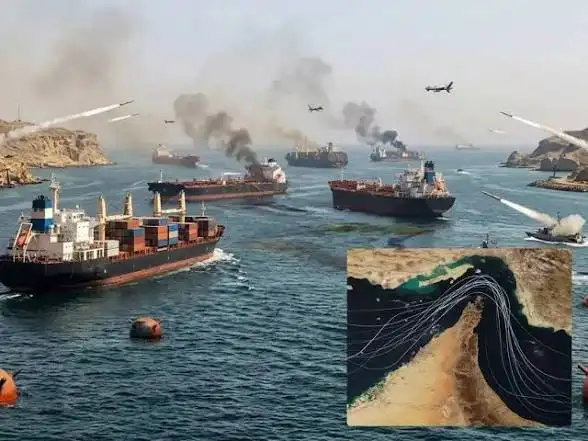
The United States has urged its international partners to deploy naval assets to safeguard the Strait of Hormuz as tensions continue to rise across the Middle East. Officials say the request reflects growing concern over the safety of vital shipping routes that carry a significant portion of the world’s energy supplies through increasingly contested waters
Defense authorities indicated that enhanced maritime presence is intended to deter potential threats and ensure the uninterrupted flow of commercial vessels. The strategic importance of the strait has made it a focal point for global attention, with any disruption posing serious risks to energy markets and international trade systems dependent on le shipping conditions
Several allied nations are currently reviewing the request, weighing operational commitments against domestic and regional considerations. While some countries have expressed willingness to participate in joint patrols, others remain cautious, citing the potential for further escalation. The differing responses highlight the complexity of coordinating a unified approach in a rapidly evolving security environment
Military planners emphasize that the proposed deployments would focus on surveillance, escort operations, and rapid response capabilities. These measures are designed to reassure shipping operators and reduce the likelihood of incidents that could impact global supply chains. Officials also note that cooperation among allied forces would enhance situational awareness across a critical maritime corridor
Economic analysts warn that even limited disruptions in the strait could have far reaching consequences for global markets, particularly in the energy sector. Insurance costs for shipping have already shown signs of increasing, reflecting heightened risk perceptions. Businesses reliant on steady supply flows are closely monitoring developments as uncertainty continues to influence market behavior
Diplomatic channels remain active alongside military planning, with efforts underway to reduce tensions and avoid further deterioration. Officials stress that the deployment of naval forces is intended as a preventive measure rather than a step toward confrontation. Maintaining open communication is seen as essential in managing risks and preventing misunderstandings among regional actors
Observers note that the situation underscores the strategic significance of maritime security in global ility. The call for allied involvement reflects broader concerns about safeguarding critical infrastructure and trade routes in times of crisis. As discussions continue, the level of international participation will likely shape the effectiveness of efforts to maintain security in the region










Leave a comment