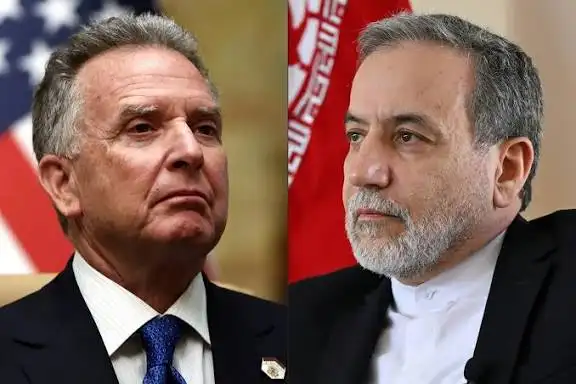
Diplomatic efforts to address longstanding tensions between the United States and Iran are set to resume in Geneva, as officials from both sides prepare for a new round of nuclear negotiations amid heightened geopolitical strain. The talks come at a delicate moment, with political rhetoric in Washington and strategic messaging from Tehran shaping expectations ahead of the meeting.
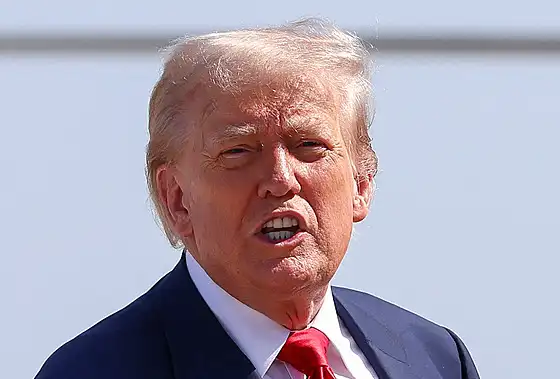
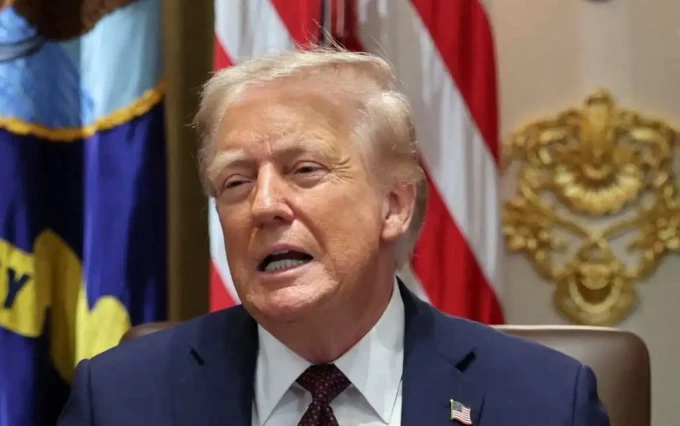
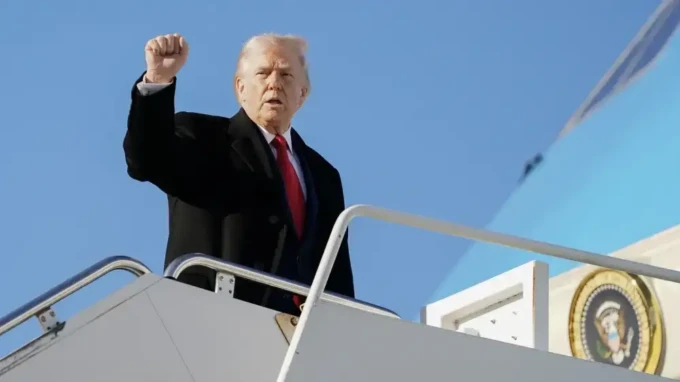
The upcoming discussions will involve representatives from the administration of US President Donald Trump and Iranian officials, with European intermediaries expected to facilitate dialogue. The negotiations aim to revive or reshape understandings surrounding Iran nuclear activities, transparency commitments, and sanctions relief frameworks that have been in flux in recent years.
Geneva has historically served as neutral ground for high stakes diplomacy between Western powers and Iran. Observers note that the resumption of talks signals a mutual recognition that unchecked escalation would carry serious regional and global consequences. Energy markets, regional security alliances, and non proliferation institutions are closely monitoring developments.
The renewed diplomatic push follows recent remarks by President Trump during his State of the Union address, in which he referenced Iran alleged weapons capabilities and questioned the extent of its compliance with international obligations. His comments have prompted fresh scrutiny of the current status of Iran nuclear and missile programs.
According to international inspectors from the International Atomic Energy Agency, Iran has expanded uranium enrichment activities beyond earlier agreed thresholds, though Tehran maintains that its program remains for peaceful civilian purposes. Western governments, including the United States, have expressed concern that enrichment levels and stockpile growth could shorten the theoretical timeline required to produce weapons grade material if such a decision were made.
Iranian officials continue to deny pursuing nuclear weapons, citing religious edicts and strategic doctrine that reject weaponization. However, analysts point to advances in centrifuge technology and ballistic missile development as factors complicating diplomatic trust. The debate over intent versus capability remains central to negotiations.
Regional actors such as Israel and Gulf states are also closely engaged, wary that any agreement perceived as insufficiently stringent could alter the regional balance of power. At the same time, European governments have urged restraint and emphasized the importance of verifiable commitments on both sides.
The Geneva talks are expected to focus on confidence building measures, inspection protocols, and phased sanctions adjustments. While expectations for a comprehensive breakthrough remain modest, diplomats suggest that even incremental progress could help ilize a volatile security environment.
As negotiations resume, the broader question persists whether political rhetoric and strategic calculations will allow space for durable compromise. The coming days in Geneva may determine whether diplomacy regains momentum or whether tensions deepen further in an already fragile geopolitical landscape.




Leave a comment