
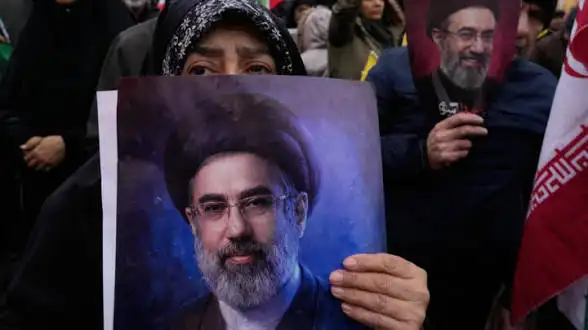
The United States defense chief said that Iran supreme leader Mojtaba Khamenei has been wounded during the ongoing regional war, introducing a new dimension to an already volatile conflict. The statement was delivered during a briefing in which officials outlined developments related to military operations and intelligence assessments surrounding the leadership structure in Tehran. The report quickly drew international attention because the condition of a nation’s top political and religious authority can influence decision making during periods of confrontation.
According to information presented by United States defense officials, the reported injuries occurred during circumstances connected to the broader conflict environment. While details about the location and severity of the injuries were limited, officials said intelligence sources indicated that the Iranian leader sustained wounds while the war was underway. Authorities emphasized that further verification was still being pursued as analysts worked to confirm the situation through multiple channels.
The leadership position held by Mojtaba Khamenei carries enormous influence within Iran’s political and military structure. As supreme leader he oversees major state institutions including the armed forces, security organizations, and elements of national governance. Any ce in his physical condition or ability to direct national strategy therefore has the potential to affect internal political dynamics as well as the direction of the conflict itself.
Regional analysts say uncertainty surrounding the condition of a national leader can create both political and strategic ripple effects. In some situations it may encourage internal consolidation among senior officials seeking to demonstrate unity. In other cases it can introduce speculation about decision making authority during sensitive moments of military and diplomatic activity. Observers note that the leadership structure in Tehran places exceptional authority in the hands of the supreme leader, making the issue particularly significant.
Governments across the Middle East and beyond are watching the situation closely as they assess possible implications for the broader confrontation. Diplomatic channels remain active as international actors continue efforts aimed at limiting the spread of the conflict. While the full details surrounding the reported injuries remain uncertain, the development underscores how leadership factors can shape the trajectory of regional events during periods of heightened tension.




Leave a comment