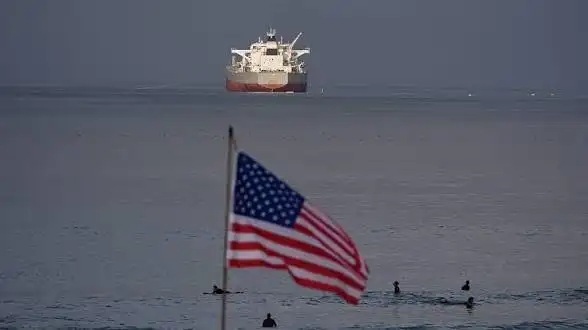
The United States government has temporarily eased restrictions on certain Russian oil shipments as policymakers attempt to address growing shortages in global energy markets. The decision comes during a period of intense geopolitical tension in the Middle East that has disrupted key supply routes and pushed oil prices significantly higher. Officials say the policy adjustment is designed as a short term measure aimed at ilizing energy availability while international markets navigate the current crisis.
Energy analysts say the move reflects the difficult balance facing governments that must manage both geopolitical strategy and economic realities. Russian oil exports were heavily restricted in previous years through sanctions imposed by Western nations following the conflict in Ukraine. Those restrictions reshaped global energy trade by forcing Russia to redirect shipments toward Asian markets while Europe and other regions sought alternative suppliers. With Middle East supply now under pressure, policymakers in Washington appear to be reconsidering limited pathways for additional oil to reach global buyers.
The easing of restrictions does not represent a complete reversal of sanctions policy. Officials emphasize that the ce applies only to specific transactions designed to maintain ility in the international oil market. Energy experts note that even a modest increase in available supply can influence market sentiment, particularly when traders fear disruptions to production or shipping routes in critical regions. By allowing certain Russian shipments to move more freely, policymakers hope to reduce the possibility of severe shortages that could affect industries and households worldwide.
International reactions to the policy shift have been mixed. Some governments see the move as a pragmatic response to a rapidly evolving energy crisis, while others argue it could weaken coordinated efforts to maintain pressure on Moscow. Energy importing countries are closely watching the impact on global prices, since many economies remain sensitive to fuel costs after recent inflationary cycles. Diplomatic discussions among allied governments continue as leaders weigh the broader consequences for global security and economic cooperation.
Economists say the long term implications of the policy will depend on how global energy markets respond and whether tensions in the Middle East begin to ease. If shipping routes reopen and supply flows normalize, the temporary adjustment could remain limited in scope. However, if disruptions continue, governments may face further pressure to explore additional measures aimed at ensuring reliable energy supplies. For now, the policy illustrates how geopolitical conflicts in different regions can intersect to reshape global energy strategy.









Leave a comment