
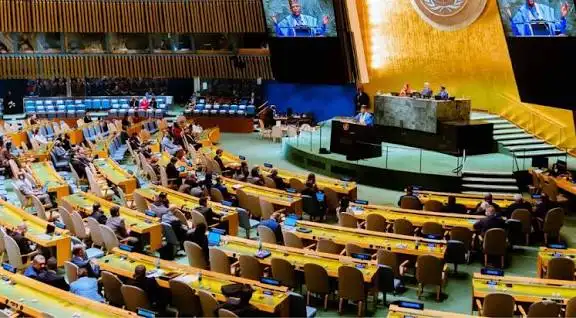
The United Nations General Assembly has renewed its call for comprehensive global debt relief measures for developing states facing mounting financial pressures. Delegates highlighted the growing burden of debt servicing which they say is diverting resources away from essential public services and development goals.
Speakers emphasized that many low and middle income countries are grappling with constrained fiscal space rising borrowing costs and external shocks. These challenges have been exacerbated by global economic inility and uneven recovery trends. Debt relief proponents argue that without meaningful restructuring development gains risk being reversed.
The assembly urged international financial institutions and creditor nations to adopt more flexible and transparent approaches. Proposals include debt restructuring enhanced concessional financing and improved coordination among creditors. Calls were also made for reforms to the global financial architecture to better reflect the needs of vulnerable economies.
Some creditor countries acknowledged the challenges but stressed the importance of maintaining financial discipline. They advocated case by case solutions and emphasized domestic policy reforms alongside external support. The debate underscored persistent divisions over responsibility and burden sharing.
Despite differing views the renewed call signals growing international recognition of debt as a systemic issue. Observers say sustained political momentum and cooperation will be essential to translate resolutions into tangible relief for countries struggling to meet development priorities.












Leave a comment