
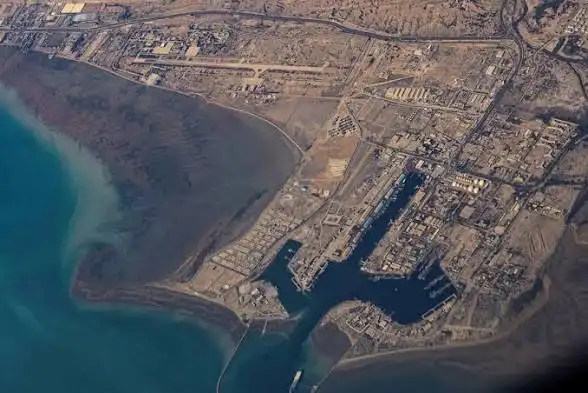
United Nations humanitarian officials have called for urgent measures to ensure that relief shipments can safely travel through the Strait of Hormuz as tensions continue to disrupt maritime activity in the region. The narrow passage linking the Persian Gulf to international sea lanes has become a focal point of concern for aid organizations that depend on reliable shipping routes to deliver food, medicine, and emergency supplies. With military activity and heightened security alerts affecting commercial navigation, humanitarian groups warn that vulnerable populations may face growing shortages if relief vessels encounter delays.
Officials working with international aid agencies say the ability to move essential cargo through the waterway remains critical for maintaining humanitarian programs across several regions. Many shipments bound for the Middle East, parts of Asia, and sections of East Africa rely on transit routes that pass near the Gulf. Disruptions in these shipping corridors could slow the distribution of life saving assistance, particularly for communities already struggling with food insecurity, displacement, and fragile health systems.
Humanitarian coordinators emphasize that international law recognizes the importance of safeguarding civilian supply routes even during periods of conflict. United Nations representatives have therefore urged all parties involved in the regional crisis to guarantee safe passage for vessels carrying humanitarian cargo. Diplomatic channels are being used to communicate the importance of protecting aid deliveries from interference or delays while maritime security conditions remain tense.
Aid organizations say uncertainty in the shipping environment has already complicated logistics planning. Some commercial carriers that normally transport humanitarian cargo have begun reviewing their operations or adjusting sailing schedules due to security concerns. These ces can slow the delivery process and increase transportation costs, creating additional pressure on aid budgets that are already stretched by rising global demand for assistance.
United Nations officials stress that ensuring the safe movement of humanitarian shipments is not only a logistical matter but also a moral responsibility shared by the international community. As diplomatic efforts continue to address the broader regional crisis, humanitarian leaders say protecting the flow of food, medicine, and other vital supplies must remain a priority in order to prevent further hardship for populations that depend on international relief.








Leave a comment