
The United Nations and several member states have intensified calls for ceasefires in multiple active conflict zones, warning that continued hostilities are compounding humanitarian crises and undermining global ility. Senior officials emphasized the urgent need for coordinated diplomatic efforts to halt fighting and create space for meaningful negotiations.
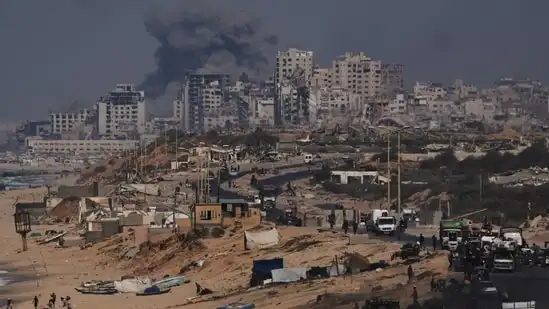
In statements delivered at multilateral meetings, representatives underscored the growing toll on civilian populations, including displacement, food insecurity, and damage to essential infrastructure. Humanitarian agencies reported increasing difficulty accessing affected communities due to insecurity and logistical barriers.
Member states from different regional blocs expressed support for temporary pauses in violence to facilitate aid delivery and civilian evacuations. Some governments also proposed confidence building measures designed to reduce the risk of miscalculation and escalation.
The United Nations leadership reiterated its readiness to support mediation initiatives and deploy monitoring mechanisms where parties agree to ceasefire arrangements. Officials stressed that adherence to international humanitarian law remains a fundamental obligation during armed conflict.
Diplomatic observers note that achieving synchronized ceasefires across diverse theaters presents complex political and military challenges. Nevertheless, international consensus appears to be growing around the need for immediate de escalation to prevent further regional deilization and long term global repercussions.









Leave a comment