
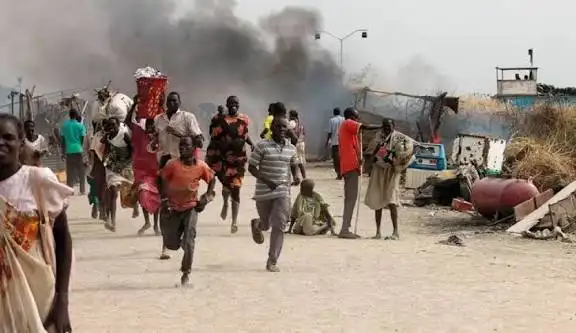
The refugee crisis stemming from the conflict in Sudan has entered a critical phase, prompting the United Nations High Commissioner for Refugees to launch a 1.6 billion dollar regional appeal aimed at assisting millions displaced by violence and inility.
Humanitarian officials warn that the scale of displacement has surged beyond earlier projections, with families fleeing across borders into neighboring countries as well as relocating internally in search of safety. The appeal seeks funding to provide emergency shelter, food assistance, healthcare services, clean water, and protection support for refugees and host communities struggling to cope with the influx.
According to UNHCR representatives, camps in several bordering nations are operating at or beyond capacity. Temporary settlements have expanded rapidly, often without sufficient infrastructure to meet basic sanitation and medical needs. Aid workers report increasing cases of malnutrition among children and rising vulnerability among women and elderly refugees.
The regional response plan covers a network of frontline states that have absorbed large numbers of displaced people. Governments in these countries have maintained open borders in many instances, but officials caution that resources are strained and international solidarity is essential to prevent further deterioration of living conditions.
UNHCR officials emphasized that the funding appeal is designed not only to deliver immediate humanitarian relief but also to support longer term resilience efforts. Programs include education for displaced children, livelihood assistance for adults, and community ilization projects to reduce tensions between refugees and local populations.
The crisis has unfolded against a backdrop of continued fighting within Sudan, where urban and rural communities alike have experienced destruction of infrastructure and disruption of essential services. Millions remain internally displaced, with limited access to humanitarian corridors in some areas due to insecurity.
Donor fatigue presents an additional challenge. Humanitarian agencies are managing multiple global emergencies simultaneously, and available resources are stretched thin. UNHCR leaders urged governments and private donors to respond swiftly to prevent a funding shortfall that could jeopardize life saving operations.
Regional analysts warn that prolonged inility in Sudan risks broader economic and security consequences across northeast Africa. The refugee flow has implications for border management, public health systems, and social cohesion in receiving states.
As the appeal gains international attention, humanitarian officials stress that timely financial support is crucial. Without sustained assistance, they caution, the humanitarian situation could deteriorate rapidly, placing millions at further risk and undermining regional ility.









Leave a comment