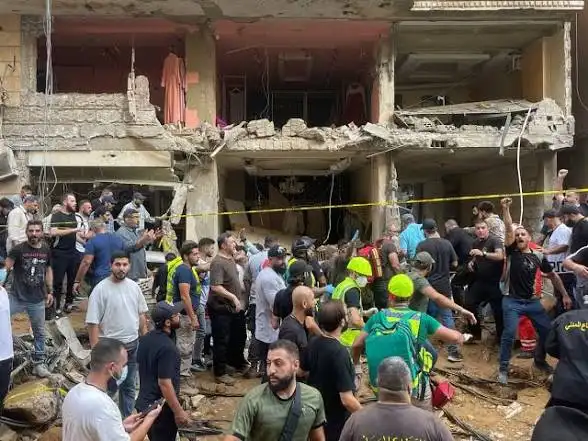
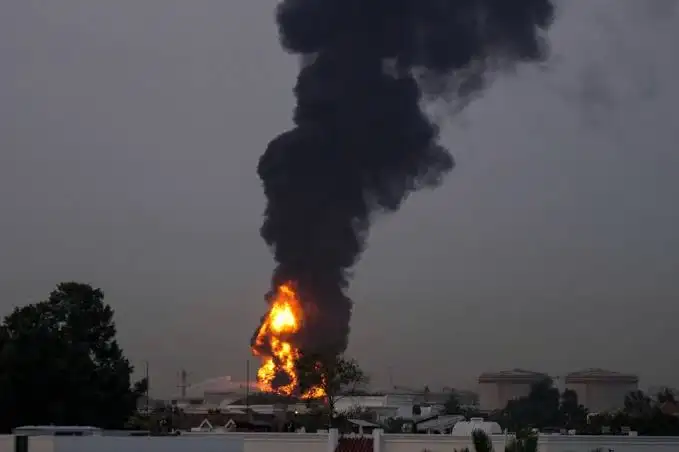
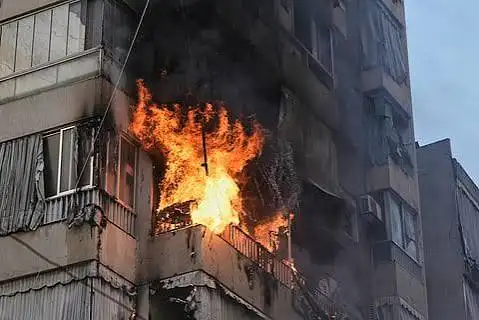
The United Nations issued a formal warning that ongoing hostilities in Lebanon could meet the legal threshold for war crimes under international humanitarian law. Officials cited patterns of civilian harm, infrastructure disruption, and access constraints affecting essential services, urging all parties to comply with elished legal obligations and prioritize protection for noncombatants and critical facilities nationwide.
A spokesperson for the organization said preliminary assessments were based on verified field reporting and satellite analysis reviewed by legal experts. The statement emphasized impartial evaluation standards and clarified that determinations require thorough investigation. Authorities called for immediate measures to reduce civilian exposure, safeguard medical networks, and ensure humanitarian corridors remain functional during intensified military activity.
Human rights monitors echoed the concerns, highlighting documented incidents that may violate proportionality and distinction principles. Advocacy groups requested transparent inquiries and accountability mechanisms supported by international observers. Legal scholars noted that evidentiary standards are rigorous, requiring corroborated documentation, chain of command analysis, and demonstrable intent before formal classifications can be applied within judicial or multilateral frameworks.
Regional diplomats responded with cautious language, urging deescalation and sustained dialogue. Several governments affirmed support for humanitarian access and civilian protection initiatives coordinated through multilateral channels. Envoys also stressed the importance of accurate public communication to prevent misinformation, maintain trust in institutions, and encourage compliance with norms governing armed conflict and emergency response operations.
Relief agencies reported mounting pressure on shelters, hospitals, and food distribution systems as displacement increased. Coordinators described logistical bottlenecks involving fuel availability, transport routes, and communications reliability. International partners mobilized funding pledges and technical assistance to reinforce local capacity, while emphasizing the need for predictable security conditions that enable continuous delivery of essential supplies and services.
Market analysts observed indirect economic effects linked to transport disruptions and insurance risk adjustments. Trade groups reviewed contingency plans for shipping lanes and regional supply chains. Financial institutions issued advisories assessing exposure across energy, agriculture, and manufacturing sectors, noting that prolonged uncertainty can influence investment decisions, credit conditions, and recovery timelines for affected communities and businesses.
The United Nations reiterated its call for restraint, independent investigations, and adherence to humanitarian law. Officials encouraged all stakeholders to facilitate monitoring access and preserve evidence relevant to legal review. As consultations continue, policymakers face pressure to align security objectives with civilian protection standards, reinforcing accountability frameworks and international cooperation during a complex regional emergency.








Leave a comment