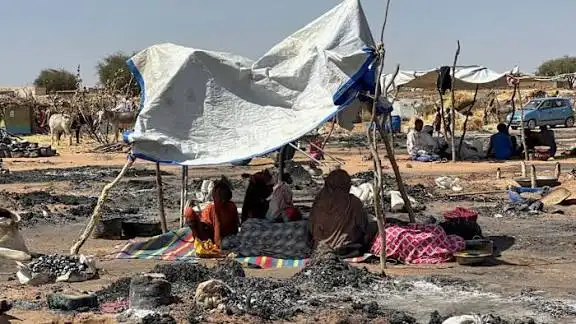
A United Nations fact finding mission has concluded that the ongoing conflict in El Fasher, Sudan, bears the hallmarks of genocide, citing systematic ethnic targeting, widespread atrocities, and patterns of violence that investigators say indicate intent to destroy specific communities. The findings, released in a detailed report, intensify international scrutiny on the warring factions operating in the Darfur region and renew calls for urgent protective measures for civilians.
According to the mission, investigators documented deliberate s against ethnic groups through coordinated assaults on residential areas, markets, and displacement camps. Witness testimony gathered from survivors described ings, forced displacement, and destruction of property carried out in a manner that suggested planning rather than spontaneous violence. The report states that these actions demonstrate patterns consistent with international legal definitions of genocide.
The fact finding team, operating under a mandate from the United Nations Human Rights Council, conducted interviews with hundreds of witnesses and reviewed satellite imagery, medical records, and other documentation. Investigators reported evidence of mass graves, ual violence, and obstruction of humanitarian access. They also pointed to rhetoric used by certain armed actors that dehumanized targeted populations.
El Fasher, the capital of North Darfur, has experienced escalating clashes between rival armed groups since conflict reignited in Sudan last year. The inility has forced tens of thousands of civilians to flee their homes, exacerbating an already severe humanitarian crisis. Aid agencies warn that access to food, water, and medical services remains critically limited.
The report stops short of assigning individual criminal responsibility but urges the international community to consider mechanisms for accountability. It recommends referral to international judicial bos and calls for expanded sanctions against individuals and entities found to be complicit in atrocities. The mission also urges Sudanese authorities to cooperate fully with international investigators and ensure the protection of civilians.
Sudan’s transitional authorities have not formally accepted the findings and have questioned aspects of the odology. However, international human rights organizations have welcomed the report, describing it as a vital step toward recognition of victims and prevention of further abuses.
Legal experts note that the term genocide carries significant weight under international law, triggering obligations for states to prevent and punish such crimes. Diplomats are expected to debate the report’s conclusions in upcoming sessions of the Human Rights Council, where member states may consider further action.
As fighting continues in parts of Darfur, the mission warns that failure to intervene decisively could result in further mass displacement and loss of life. The report concludes that early warning signs have been evident for months and that coordinated international engagement is essential to avert deeper catastrophe.











Leave a comment