
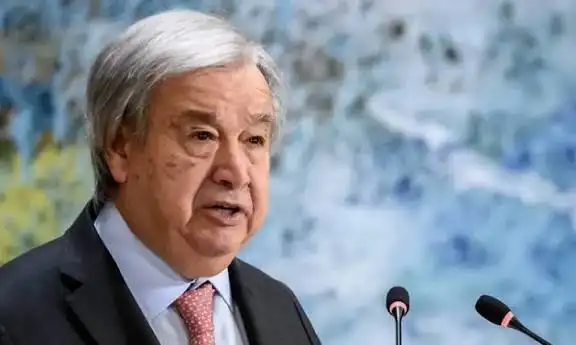
United Nations Secretary General Antonio Guterres has called for a renewed international security architecture, warning that the current global framework is failing to prevent conflicts and protect civilians in an increasingly volatile world.
Speaking at a high level forum on global governance, Guterres said that escalating wars, deepening geopolitical rivalries, and widespread human rights violations have exposed weaknesses in existing multilateral institutions. He stressed that the international community must adapt to contemporary realities or risk further inility.
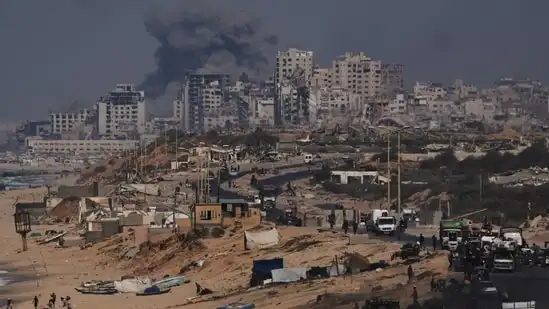
The Secretary General pointed to prolonged conflicts in Europe, the Middle East, and parts of Africa as evidence that the post Second World War security system is under strain. He argued that power shifts, technological disruption, and climate related pressures are reshaping global risk patterns in ways that current mechanisms struggle to manage.
Central to his remarks was the need for inclusive reform. Guterres advocated for stronger preventive diplomacy, enhanced peacebuilding tools, and more equitable representation within global decision making bos. He emphasized that security cannot be separated from development, climate resilience, and social cohesion.
Critics have long argued that the United Nations Security Council structure reflects a bygone era and lacks the agility required to respond to modern crises. While reform proposals have circulated for years, political divisions among major powers have limited progress.
Guterres also highlighted the humanitarian dimension of contemporary conflicts. Civilian populations continue to bear the brunt of violence, with displacement and food insecurity reaching alarming levels in several regions. He called on member states to recommit to international law and collective responsibility.
The appeal comes at a time when trust between major powers remains fragile. Diplomatic channels are frequently overshadowed by strategic competition, complicating consensus building within multilateral forums.
Whether the call for reform will translate into tangible ce remains uncertain. Nonetheless, the Secretary General message reflects mounting concern that without structural adaptation, global institutions may struggle to fulfill their core mandate of maintaining peace and security.







Leave a comment