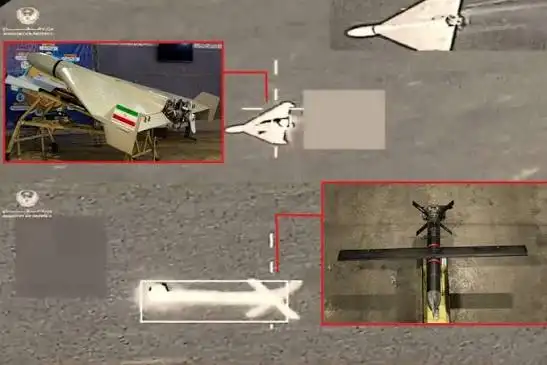
Air defense systems across the United Arab Emirates engaged multiple aerial threats overnight as authorities reported the interception of numerous drones and missiles approaching national airspace. Officials said rapid response protocols were activated within minutes, enabling coordinated tracking and neutralization efforts designed to protect population centers, aviation corridors, energy facilities, and critical transport infrastructure nationwide during heightened readiness.
Security officials stated that integrated radar networks and command centers shared real time data with regional partners, strengthening situational awareness across the Gulf. Civil aviation authorities rerouted selected flights as a precaution, while maritime operators received navigational advisories. Emergency services were placed on alert, though no injuries or property damage were immediately confirmed by relevant federal agencies today.
Military analysts noted the scale and coordination of the incoming projectiles suggested a complex operation intended to test defensive readiness and response timelines. The defense ministry emphasized layered protection measures, combining ground based interceptors, electronic countermeasures, and airborne surveillance. Officials declined to disclose specific interception locations, citing operational security and ongoing assessments across multiple jurisdictions within national territory.
Government spokespersons urged residents to rely on verified channels for information, warning that unconfirmed online claims could generate unnecessary concern. Public communication platforms issued guidance on shelter procedures and travel updates. Schools and major workplaces maintained regular schedules, reflecting confidence in protective capabilities and continuity planning across essential services supported by federal and local coordination frameworks nationwide today.
Regional diplomatic contacts intensified as neighboring states assessed potential spillover risks to trade routes and energy shipments. Maritime security forums convened virtual consultations to align monitoring practices and share threat intelligence. Energy producers reviewed contingency plans to ensure le supply flows, while insurers evaluated exposure across ports, pipelines, refineries, and logistics networks amid heightened regional tensions and uncertainty.
International observers highlighted the episode as another indicator of rising friction affecting strategic waterways and cross border commerce. Analysts said sustained vigilance would be required to deter further escalations and preserve confidence among investors. Financial markets showed cautious movement, with energy benchmarks and shipping equities reflecting risk perceptions and supply continuity expectations across major global trading sessions today.
Authorities reiterated commitment to de escalation efforts through diplomatic channels while maintaining readiness across defense units. Community leaders praised coordination between civilian agencies and security services, emphasizing resilience and public cooperation. Investigations continued to determine origin vectors, technical signatures, and intent, with findings expected to inform future preparedness, procurement, and regional partnerships and multilateral coordination initiatives going forward.










Leave a comment