
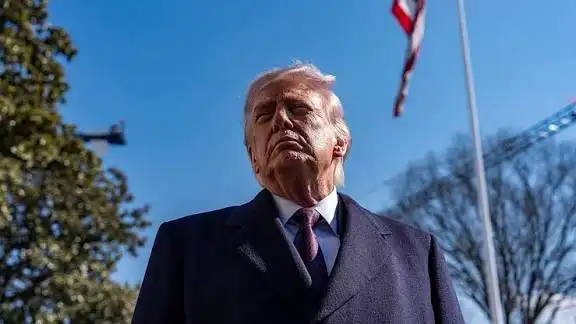
United States President Donald Trump issued a stern warning to Tehran following the reported death of Iran’s Supreme Leader Ayatollah Ali Khamenei, signaling that any escalation in retaliation would carry significant consequences. The remarks came amid a rapidly intensifying conflict in the Middle East involving missile and drone strikes targeting United States assets and coordinated Israeli operations inside Iran.
President Trump emphasized that the United States remains committed to protecting its personnel and allies across the region and will respond decisively to any attacks. The statement was accompanied by assurances that American forces are fully prepared to counter any further military threats, highlighting the administration’s determination to maintain strategic advantage while deterring additional escalation.
The warning underscores growing diplomatic and military tensions between the United States and Iran. While Tehran has declared that all United States military bases in the region are now legitimate targets, Washington has signaled that retaliation would be met with overwhelming force. Analysts note that the public nature of the warning is intended both to reassure regional partners and to signal deterrence to Iran.
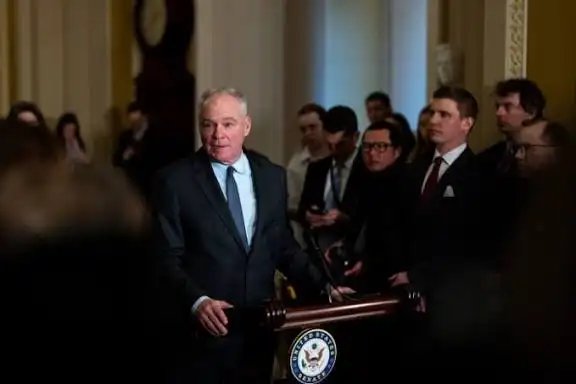
Lawmakers in Washington have reacted with a mix of support and concern. Some Republican officials praised the administration’s firm stance, while Democratic lawmakers criticized unilateral military action, calling for constitutional review and oversight regarding the use of force. The debate reflects broader concerns about the potential for miscalculation and unintended escalation in a region already under significant strain.
The international community is closely monitoring the situation, with key regional actors assessing the risks posed by the heightened confrontation. Diplomatic efforts remain ongoing, although the rapid pace of military exchanges and public rhetoric has complicated negotiations and raised the possibility of further conflict.
Observers note that the warning, while aimed at Iran, also serves to reassure allies in the Gulf that the United States remains engaged and ready to defend critical infrastructure and strategic interests. At the same time, it highlights the delicate balance Washington must maintain between deterrence, diplomacy, and avoiding a wider regional war.
The coming days are expected to be critical in determining whether tensions can be contained or whether the confrontation escalates into a broader conflict with lasting geopolitical consequences.







Leave a comment